Table of Contents
- What Adult Driving Lessons Actually Cover
- Adult Driver Education Requirements by License Stage
- How Long Does It Take to Learn to Drive as an Adult
- Cost of Adult Driving Lessons: What to Expect
- Managing Driving Anxiety as an Adult Learner
- Road Test Preparation: What Examiners Actually Look For
- How to Choose Adult Driving Lessons That Fit Your Life
- Conclusion
Last Updated: August 11, 2026
Adult driving lessons are one of the most practical investments an adult can make, yet most people searching for them have no idea what to expect, how long the process takes, or what separates a good driving school from a frustrating one. At White Plains Driving Center, we’ve worked with adult learners since 1978, and the same questions come up every time: How many lessons will I need? Will the instructor be patient? What does the road test actually test?
This guide answers all of it directly. Below, you’ll find what adult driver education programs cover, how licensing requirements work, what to budget, and how to find driving lessons near me for adults that fit around a real life with real obligations.
Quick Picks for Adult Learners:
- Best for nervous beginners: A school with DMV-certified instructors and a track record of calm, patient instruction
- Best for busy schedules: Programs with flexible scheduling, including evenings and weekends
- Best for international drivers: Schools specializing in U.S. traffic laws and DMV test preparation
What Adult Driving Lessons Actually Cover
Adult driving lessons are structured training programs designed to build safe, confident drivers through behind-the-wheel instruction and, in many states, required classroom coursework. Unlike teen programs, adult programs respect that adults learn differently: they often carry more anxiety, have less time, and benefit from instruction that acknowledges their existing life experience.
Behind-the-Wheel Instruction vs. Classroom Instruction
Behind-the-wheel instruction is the practical, in-car component where a certified instructor guides you through real traffic situations. Classroom instruction covers traffic laws, road signs, right-of-way rules, and defensive driving theory.
Some states require both. In New York, for example, adults who have never held a license must complete the state-mandated 5-hour pre-licensing course before taking their road test, per New York State DMV driver education requirements. Behind-the-wheel hours are typically purchased separately through a driving school.
Defensive Driving Techniques Taught in Adult Programs
Defensive driving is woven into every behind-the-wheel session in a quality adult program. Specific techniques include maintaining safe following distances, scanning intersections before proceeding on green lights, adjusting speed in adverse weather, managing blind spots through proper mirror use and head checks, and identifying aggressive drivers.
A state-approved defensive driving course can also qualify drivers for insurance discounts, which is worth verifying with your insurer before enrolling.
Adult Driver Education Requirements by License Stage
Adult driver education requirements vary by state, but the structure follows a predictable pattern: permit, supervised driving, pre-licensing course, road test. Skipping any step doesn’t speed things up; it creates problems at the DMV.
Learner’s Permit and DMV Prerequisites
A learner’s permit is the required first step for any adult who has never held a driver’s license. To obtain one, most states require passing a written knowledge test covering traffic laws, road signs, and safe driving practices. The federal guidelines on driver licensing programs outline minimum standards, though each state sets its own specific requirements.
In New York, adults must pass the written permit test at a DMV office, hold the permit for a minimum period before applying for a road test, complete the 5-hour pre-licensing course, and pass the road test with a DMV examiner. International drivers with a valid foreign license may have different prerequisites depending on their home country’s licensing agreement with the state.
The 5-Hour Pre-Licensing Course Requirement
The 5-hour pre-licensing course is a state-mandated classroom session required in New York before any adult can schedule a road test. It covers traffic laws, the dangers of distracted and impaired driving, and what to expect during the road test itself. Completion produces a course completion certificate that must be presented to the DMV when scheduling the test.
Many driving schools, including White Plains Driving Center, offer this course as part of their packages, which simplifies the logistics for students managing multiple steps at once.
How Long Does It Take to Learn to Drive as an Adult
Most adults reach road-test-ready skill levels within 10 to 20 hours of behind-the-wheel instruction, though this range varies significantly based on individual factors. The honest answer: there is no universal timeline for adult driving lessons, and any school that promises a specific number without assessing your starting point is selling you a package, not a plan.
Factors That Affect Your Learning Timeline
Several variables shape how quickly an adult progresses:
| Factor | Impact on Timeline |
|---|---|
| Prior driving exposure | Even informal experience shortens the learning curve |
| Anxiety level | High anxiety typically requires more sessions to build confidence |
| Lesson frequency | Weekly lessons build skills faster than monthly ones |
| Vehicle familiarity | Driving an unfamiliar vehicle type adds adjustment time |
| Route complexity | Urban and highway driving require more practice than residential streets |
| International background | Adapting from different traffic rules adds 2-5 extra sessions on average |
Lesson frequency matters more than most people realize. Adults who take two lessons per week consistently outpace those who take one lesson every two weeks, even if the total hours are the same.
Cost of Adult Driving Lessons: What to Expect
The cost of adult driving lessons varies based on your location, the number of hours in your package, and whether the road test is included. White Plains Driving Center does not publish fixed pricing online because packages are tailored to individual needs. Contact the school directly for current rates and package options.
Package Tiers vs. Individual Lesson Pricing
Most driving schools offer two pricing models: individual lessons billed by the hour, or bundled packages that combine behind-the-wheel hours with the pre-licensing course and sometimes the road test itself.
Individual lessons give flexibility but typically cost more per hour. Packages cost more upfront but deliver better value if you follow through on all the hours. When comparing packages, look for how many behind-the-wheel hours are included, whether the 5-hour pre-licensing course is bundled, whether road test pickup and drop-off is included, and whether makeup lessons are available if you need more time.
Before committing to any package, ask whether unused hours roll over or expire. Some schools offer flexible rollover; others do not. This matters if your schedule is unpredictable.
Insurance Discount Verification After Course Completion
Completing a state-approved defensive driving or pre-licensing course can qualify you for a discount on your auto insurance premium. Contact your insurance provider after receiving your course completion certificate and ask whether the completed course qualifies for a rate reduction. According to Insurance Information Institute guidance on driver safety discounts, many insurers offer meaningful discounts for completing approved driving courses, though the exact percentage varies by policy.
Managing Driving Anxiety as an Adult Learner
Driving anxiety in adults is more common than most people admit, and it is one of the primary reasons adult learners stall or quit before reaching the road test. Adults have more to lose and greater awareness of consequences than teenagers do.
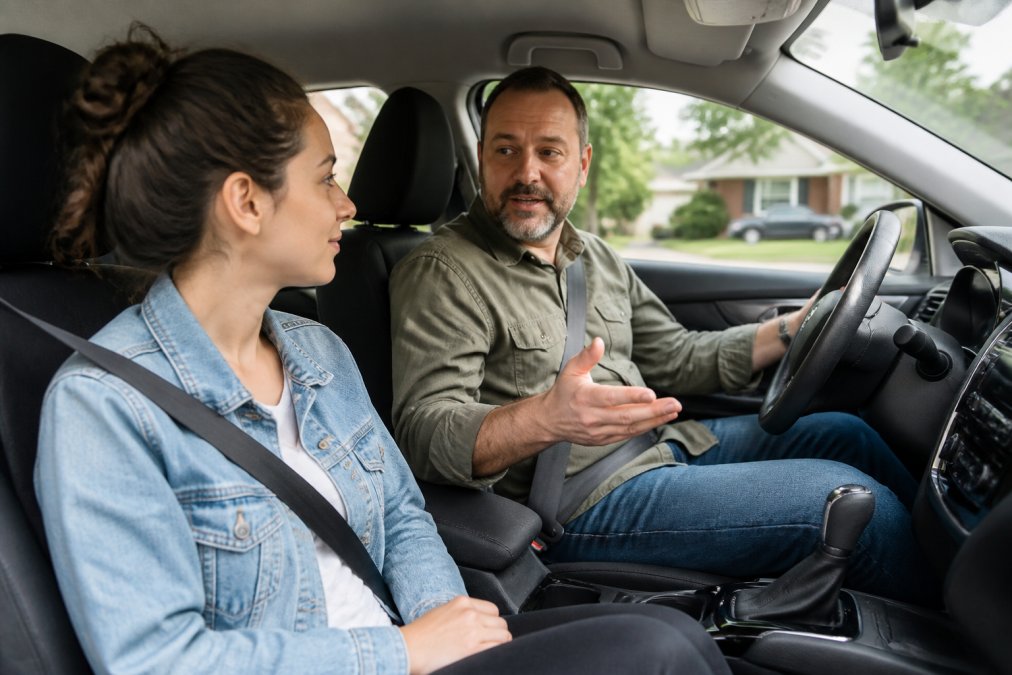
The most common mistake is choosing a driving school based purely on price without asking how the instructor handles anxious students. An instructor who responds to mistakes with frustration will make anxiety worse, not better. The right instructor treats errors as teaching moments, not failures.
Practical strategies for managing driving anxiety include starting in low-pressure environments like empty parking lots, communicating openly with your instructor about comfort levels, practicing visualization before lessons, setting small measurable goals, and separating anxiety from ability. One student who trained with White Plains Driving Center described the experience this way: "He gave extremely clear instructions, was calm, cool, and collected throughout the process. A pleasant experience and we passed on the first test."
Avoid schools where instructors dual-brake frequently without explanation. Unexplained corrections increase anxiety rather than build skill. If an instructor grabs the wheel or brakes without telling you why, that is a signal to find a different school.
Road Test Preparation: What Examiners Actually Look For
Road test preparation is not about memorizing a checklist. It is about demonstrating consistent, safe driving habits under observation. Examiners are not trying to fail you; they are assessing whether your driving poses a safety risk.
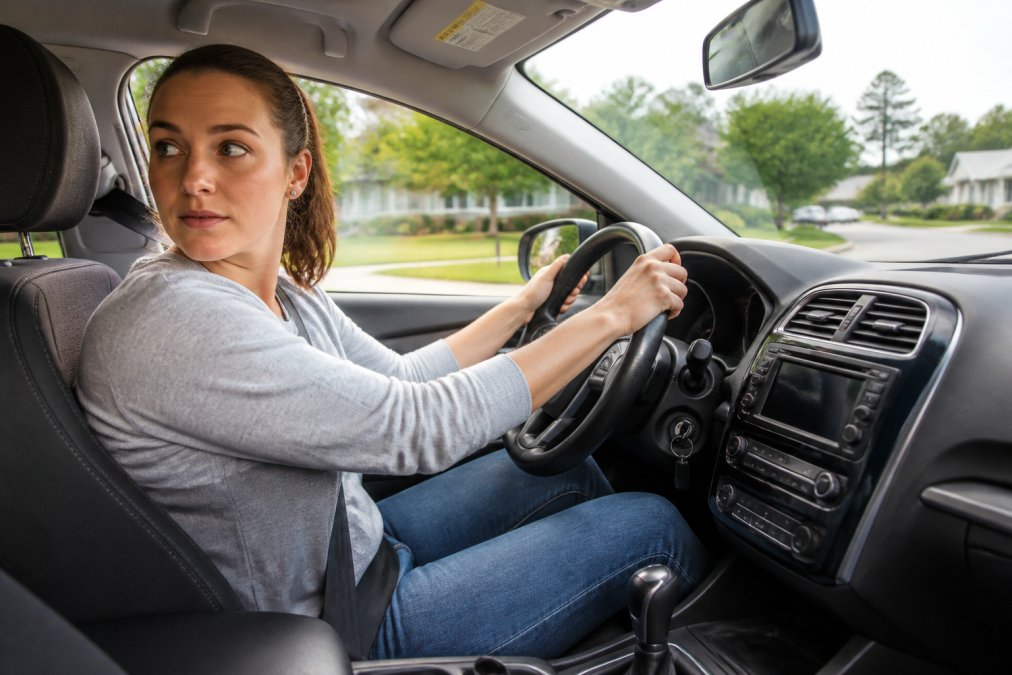
Most road test failures come from rolling stops, failure to check mirrors at required intervals, improper lane positioning, and hesitation at intersections.
Parallel Parking, Highway Driving, and Common Test Scenarios
Parallel parking is the maneuver adult learners fear most, but it is rarely the reason people fail. Examiners score it on safety and positioning, not perfection.
Common road test scenarios include three-point turns, parallel parking, highway merging, intersections, lane changes, and speed management. The New York State DMV road test scoring criteria outlines the specific point deductions used by examiners. Reviewing this before your test is smart preparation.
How to Choose Adult Driving Lessons That Fit Your Life
Choosing the right adult driving lessons comes down to three things: instructor quality, scheduling flexibility, and a curriculum that matches your specific starting point.
Flexible Scheduling Options for Busy Adults
Scheduling is the most common practical barrier for adult learners. Full-time work, family obligations, and irregular hours make rigid 9-to-5 lesson slots a non-starter.
Look for schools that offer evening and weekend lesson availability, online or phone booking without waiting for a callback, short-notice cancellation and rescheduling policies, and lesson pickup from home, work, or transit hubs. White Plains Driving Center offers flexible scheduling specifically designed for working adults and students who cannot commit to fixed daytime hours.
Vehicle-Specific Training and Specialized Programs
Not all driving instruction is created equal when it comes to vehicle type. If you plan to drive a specific vehicle type, ask whether the school can accommodate that training.
Specialized programs worth asking about include international driver adaptation focused on U.S.-specific traffic laws and DMV test requirements, refresher courses for adults who held a license years ago, and post-license training for advanced skills practice after passing the road test.
| Program Type | Best For | Typical Duration |
|---|---|---|
| First-time adult learner package | No prior driving experience | 10-20 hours behind-the-wheel |
| Refresher course | Lapsed license or long gap in driving | 3-6 hours |
| International driver adaptation | Foreign license holders | 5-10 hours |
| Road test prep only | Drivers who need test-specific practice | 2-4 hours |
| Post-license advanced training | New license holders building real-world skills | 4-8 hours |
The right adult driving program is the one that matches your actual starting point, not the one with the lowest price or the shortest timeline. A few extra hours with the right instructor is a better investment than rushing through a program and failing the road test twice.
Choosing adult driving lessons that actually work requires more than a Google search and a phone call. The combination of DMV-certified instruction, patient teaching methods, and flexible scheduling determines whether you reach the road test confident or anxious. White Plains Driving Center has been building confident adult drivers in the Westchester area since 1978, with DMV-certified instructors, comprehensive pre-licensing packages, and road test support included. Book now and start your path to a license with a team that has seen every challenge adult learners face, and knows exactly how to help you through it.
Frequently Asked Questions
Do adults need a learner's permit before taking driving lessons?
Yes, in most states adults must obtain a learner's permit before starting behind-the-wheel instruction with a licensed driving school. The permit requires passing a written permit test covering state traffic laws and road signs. Once issued, you can legally practice driving with a certified instructor in an instructional vehicle. Requirements vary by state, so check your local DMV for the exact steps before booking your first lesson.
How much do adult driving lessons cost?
The cost of adult driving lessons varies based on your location, the number of hours purchased, and whether you choose individual lessons or a bundled package that includes road test preparation. Package-based pricing typically offers better value than booking single sessions. Some schools also include the 5-hour pre-licensing course in their packages. Contact your chosen school directly for current pricing, since rates change and most schools tailor quotes to your specific needs.
Can completing a driving course lower my car insurance premium?
Yes, many insurance carriers offer discounts when you complete a state-approved defensive driving or driver education course and provide the course completion certificate. The discount amount depends on your insurer and policy. After finishing your program, ask your school for documentation, then contact your insurance provider to verify whether the course qualifies. Some insurers require the course to be from an accredited school, so confirm eligibility before enrolling.
How long does it take to learn to drive as an adult?
Most adult learners reach road-test readiness after 10 to 20 hours of behind-the-wheel instruction, though the timeline depends on prior experience, lesson frequency, and how much you practice between sessions. Adults who take lessons twice a week typically progress faster than those who schedule lessons monthly. Anxiety, unfamiliar vehicle types, and complex local traffic conditions can extend the timeline, while individualized instruction from a certified instructor can shorten it.
What should I look for in an adult driving instructor?
Prioritize instructors who are DMV-certified, patient with nervous beginners, and experienced with adult learners specifically. A good instructor adapts the driving curriculum to your pace rather than rushing through a fixed checklist. Ask whether the school uses dual-controlled instructional vehicles for safety, offers flexible scheduling, and provides structured road test preparation. Reading verified reviews and asking about pass rates can also help you gauge the quality of instruction before committing.
This article was written using GrandRanker