Table of Contents
- Why Adult Drivers Choose Driving Lessons
- Best Practices for Nervous Drivers
- Adult Driver Education Requirements Before Road Test
- How Long Do Driving Lessons Take to Get Road-Ready
- Affordable Driving Lessons for Adults: What to Expect
- Lesson Packages and Flexible Scheduling Options
- What Makes a Certified Driving Instructor Right for You
- Frequently Asked Questions
Last Updated: September 2, 2026
Why Adult Drivers Choose Driving Lessons
Adult learners approach driving differently than teenagers. Many return to the road after years away, some face anxiety about navigating unfamiliar traffic, and others come from countries where driving rules differ significantly from U.S. standards. That’s where structured affordable driving lessons for adults become essential.
A single accident, failed road test, or ticket costs far more than a comprehensive lesson package. White Plains Driving Center has guided thousands of adult drivers since 1978, and the pattern is consistent: adults who invest in professional instruction pass their road tests faster and drive with genuine confidence.
What sets adult learners apart is their motivation. Unlike teenagers fulfilling a requirement, adults often choose to drive because they need to. They’re juggling work schedules, family commitments, and sometimes language barriers. Most adults need between 10 and 20 hours of behind-the-wheel training to feel genuinely ready for a road test, plus preparation for the written exam and the 5-hour pre-licensing course required by New York State (dmv.ny.gov).
Best Practices for Nervous Drivers
Anxiety behind the wheel is legitimate. The difference between a nervous driver who improves and one who stays stuck is often the instructor’s approach.
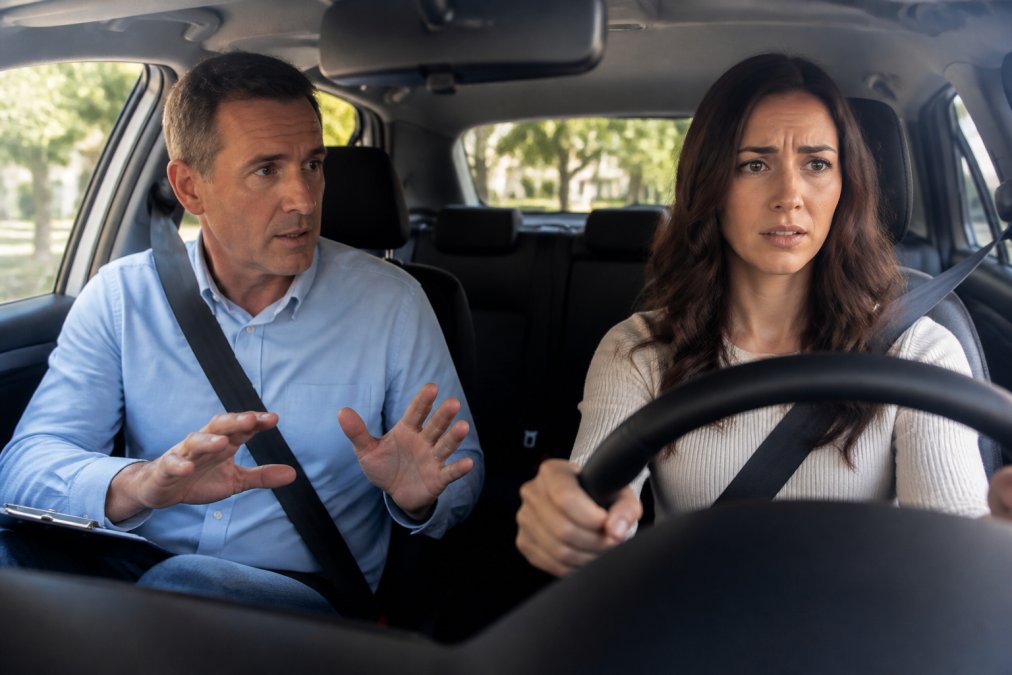
The first rule: find an instructor who doesn’t yell. Instructors who raise their voice or create tension make anxiety worse, not better. White Plains Driving Center specializes in calm, clear instruction because nervous drivers need to feel safe before they can focus on technique.
Start with shorter lessons. A 60-minute first lesson feels manageable; build duration gradually as confidence grows.
Practice the same routes repeatedly before attempting new ones. Familiar roads reduce cognitive load, letting you focus on technique rather than navigation. Most nervous drivers feel noticeably calmer on their third or fourth pass through the same area.
Breathing matters. Before starting the engine, take five deep breaths: in for four counts, hold for four, out for four. Do this before every lesson.
Address specific fears directly with your instructor. If highway merging terrifies you, practice merges for an entire lesson if needed. Avoidance feeds anxiety; deliberate practice shrinks it.
Adult Driver Education Requirements Before Road Test
New York State requires all drivers to complete a 5-hour pre-licensing course before scheduling a road test. This covers critical topics like seat belt laws, speed limits, right-of-way rules, and what to expect during the road test itself.
You have two options: in-person classroom or online self-paced. Many working adults choose online courses like IDriveSafely because they can complete the material on their own schedule. The course covers New York traffic laws, safe driving practices, and road sign recognition.
The written exam tests your knowledge of these topics. Most people pass on their first attempt if they’ve studied the material. The exam covers 20 questions; you need 14 correct to pass (dmv.ny.gov). Common trouble spots: right-of-way rules, speed limit variations in school zones, and when you’re allowed to use your phone while driving.
The pre-licensing course and written exam are separate from behind-the-wheel instruction. You can take the 5-hour course and pass the written exam but still fail your road test if you can’t actually drive. That’s why lesson packages that bundle both components matter. White Plains Driving Center includes pre-licensing support in their packages, meaning you get instruction on what the DMV will actually test you on during your road exam.
How Long Do Driving Lessons Take to Get Road-Ready
Someone who’s never driven before typically needs 12 to 20 hours of behind-the-wheel training to feel genuinely ready for a road test (nhtsa.gov). Someone returning after 10 years away might need only 8 to 12 hours. Someone coming from a country with different traffic rules might need 15 to 25 hours because they’re relearning muscle memory and adapting to U.S. conventions.
Most lessons run 60 minutes, covering about 15 to 20 miles of mixed driving. The timeline depends on lesson frequency. Someone taking two lessons per week will progress faster than someone taking one lesson every two weeks.
Most adults are road-test-ready after 12-16 hours of instruction spread over 4-8 weeks, assuming one to two lessons per week. Nervous drivers often need the full 16-20 hours, but the investment pays off in genuine confidence.
Road test preparation is its own phase. In your final 2-3 lessons, your instructor will walk through exactly what the examiner will ask you to do: parallel parking, three-point turns, lane changes, merging, and navigating traffic. They’ll explain the scoring rubric and what counts as a critical error versus a minor mistake.
Affordable Driving Lessons for Adults: What to Expect
Affordable driving lessons for adults typically come in structured packages rather than hourly rates. You know the total cost upfront, and the school can schedule efficiently.
Behind-the-Wheel Training Structure
Your first lesson is introductory. The instructor will ask about your driving history, what makes you anxious, and what your goals are. They’ll show you how the dual control brakes work and let you get comfortable in the driver’s seat. affordable car maintenance.
Early lessons focus on basic vehicle control: steering smoothly, maintaining lane position, accelerating and braking gradually. You’ll practice on low-traffic streets where mistakes don’t create dangerous situations.
Mid-course lessons introduce complexity. You’ll drive on busier roads, navigate intersections, practice lane changes, and start merging onto highways if you’re ready.
Late-course lessons focus on road test preparation and building confidence on whatever roads still make you nervous.
Skipping the pre-licensing course to save time often backfires. The written exam tests specific New York traffic laws, and the examiner will ask about rules you might not know without formal instruction. Budget time for both the course and the practice exam.
Road Test Preparation Focus
The road test lasts about 20 to 30 minutes. The examiner will ask you to demonstrate basic skills: parallel parking, backing up, three-point turns, lane changes, and navigating traffic. They’re checking whether you can operate a vehicle safely.
Your instructor will teach you the examiner’s expectations. For parallel parking, they want to see smooth steering, appropriate use of mirrors, and correct positioning, not perfection on the first try. For lane changes, they want to see you check mirrors, signal, and move smoothly.
Many instructors include a mock road test in your final lessons. They’ll play the examiner’s role and grade you using the same criteria. This removes surprises.
Lesson Packages and Flexible Scheduling Options
Most driving schools in the Westchester area offer tiered packages. A basic package might include 5 hours of behind-the-wheel training plus the pre-licensing course. A comprehensive package might include 10 to 15 hours of instruction, pre-licensing, written exam prep, and road test support.
| Package Type | Typical Hours | Includes | Best For |
|---|---|---|---|
| Starter | 5 hours | Basic instruction, pre-licensing course | Confident learners needing quick certification |
| Standard | 10-12 hours | Comprehensive instruction, pre-licensing, written exam prep | Most adult learners |
| Comprehensive | 15-20 hours | Extended instruction, road test prep, mock test | Nervous drivers, international students |
| Road Test Only | 2-4 hours | Focused exam preparation and support | Drivers who’ve trained elsewhere |
Flexible scheduling is non-negotiable for working adults. White Plains Driving Center offers lessons early morning, evening, and weekend slots. Most packages are valid for 6 to 12 months, giving you time to fit lessons around your schedule.
What Makes a Certified Driving Instructor Right for You
Certification from the DMV means they’ve passed a test and carry liability insurance. It doesn’t tell you whether they’re patient, explain clearly, or specialize in your situation.
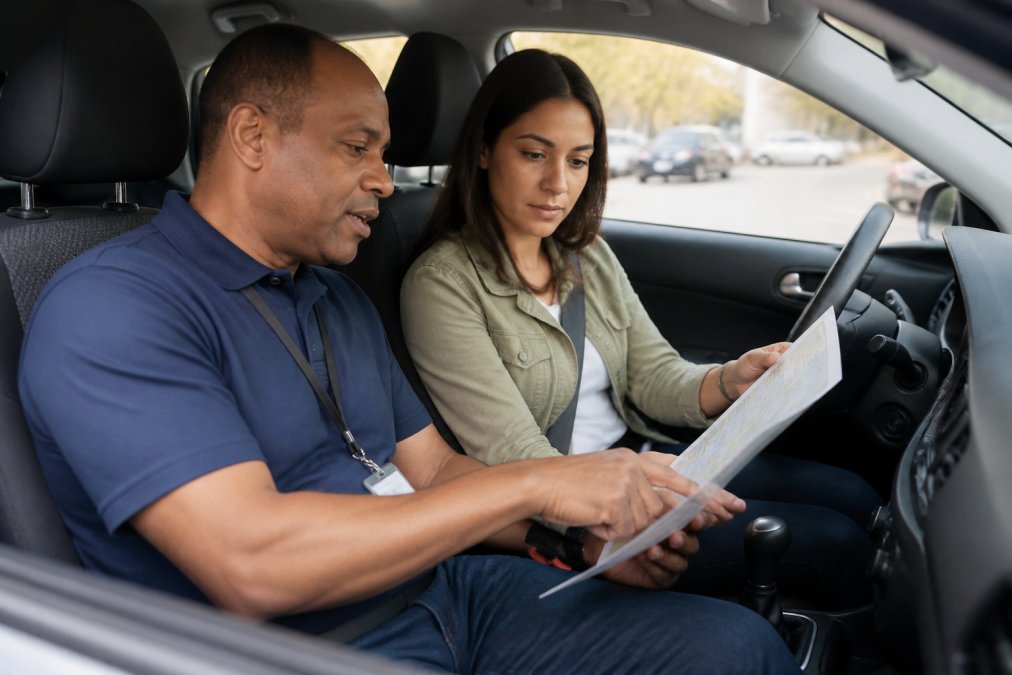
Look for instructors with specific experience teaching adults. A school that specializes in nervous drivers will have instructors trained in anxiety management. International students need instructors who understand the differences between U.S. traffic laws and driving customs elsewhere.
Ask about instructor continuity. Some schools assign you the same instructor for all lessons; others rotate instructors. Consistency helps you build trust and avoid repeating your background.
White Plains Driving Center has maintained a team of DMV-certified instructors since 1978, with many having trained thousands of adult drivers. They understand nervous drivers and international students because Westchester has a large immigrant population.
Check for real customer feedback mentioning specific instructors. “Joey was calm and clear” tells you more than generic praise. Ask about the vehicles. Instructional vehicles should have dual control brakes and be relatively new and well-maintained.
Choosing affordable driving lessons for adults means finding a balance between cost and quality. The cheapest option isn’t always the best investment if you fail your road test and need to retake it.
White Plains Driving Center offers packages designed for adult learners with flexible scheduling, experienced instructors trained in working with nervous drivers, and comprehensive preparation for both the written exam and road test. With over 45 years of experience serving the Westchester area, they understand the specific challenges adults face, whether you’re returning to driving after years away, adapting to U.S. traffic laws, or managing anxiety behind the wheel. Book a consultation to discuss your specific needs and find a package that fits your schedule and budget.
Frequently Asked Questions
What is the cheapest way to learn to drive as an adult?
Affordable driving lessons for adults depend on choosing the right package structure. Most certified driving schools offer per-lesson rates or bundled packages that combine multiple hours with road test preparation. Comparing package options, such as 5-lesson bundles versus 10-lesson bundles, often reveals better value. Many schools also include the 5-hour pre-licensing course requirement within their packages, reducing your total cost. Flexible scheduling can also lower your overall expense by saving time and transportation costs.
Do adults need to take a formal driving course to get a license?
Yes, adult driver education requirements in New York include completing a state-approved 5-hour pre-licensing course before you can schedule a road test. This requirement applies to drivers 18 and older. While the 5-hour course can be completed online through approved providers, most adults benefit from combining it with behind-the-wheel training from a certified driving instructor to build practical skills and confidence. This combination ensures you meet licensing requirements and are truly prepared for the road test.
How much does a driving lesson typically cost?
Driving lesson costs vary by school and package structure. Individual lessons range, while bundled packages, such as 5 lessons plus road test preparation, often provide better value per hour. Many schools offer discounted rates for larger packages. Since White Plains Driving Center does not publish specific pricing online, contact them directly for current rates and available package options that fit your budget and schedule.
How long do driving lessons take to prepare for a road test?
How long do driving lessons take depends on your starting skill level and confidence. Most adults need between 10 and 20 hours of behind-the-wheel training combined with the required 5-hour pre-licensing course. Nervous drivers may benefit from additional hours to build confidence in highway driving, parallel parking, and defensive driving techniques. Your certified instructor will assess your progress during each lesson and recommend how many additional sessions you need before you’re ready to attempt your practical exam.
What should I look for in a professional driving instructor?
A qualified driving instructor should hold DMV certification and have experience working with adult learners, especially nervous drivers. Look for instructors who offer flexible scheduling, use vehicles equipped with dual control brakes for safety, and provide clear, patient instruction without yelling or creating stress. Ask about their track record with road test pass rates and whether they specialize in helping adults overcome driving anxiety. Reading customer testimonials about their calm demeanor and teaching style is also valuable when choosing an instructor.
This article was written using GrandRanker