Table of Contents
- Why Adults Choose Driving School Alternatives
- Adult Driving Lessons in Westchester: What to Expect
- Driving School Road Test Preparation Options
- Cost of Adult Driving Lessons: Pricing Comparison
- Private Lessons vs. Group Courses: Which Works Better
- How to Evaluate a Quality Driving Instructor
- Getting Started: Next Steps for Adult Drivers
- Frequently Asked Questions
Last Updated: August 26, 2026
Why Adults Choose Driving School Alternatives
Adult learners often discover that traditional driving schools don’t fit their lives. Work schedules conflict with class times. Rigid curricula don’t address the specific anxieties that come with learning to drive as an adult. The one-size-fits-all approach leaves many feeling rushed or misunderstood.
This is where driving school alternatives for adults become essential. Whether you’re returning to driving after decades away, adapting to U.S. road rules as an international resident, or simply too anxious to tolerate a high-pressure environment, alternatives exist that match your pace and learning style.
At White Plains Driving Center, we’ve worked with adult learners who needed flexibility, calm instruction, and instructors who understood the unique challenges adults face. The alternatives available today range from private one-on-one lessons to hybrid online-and-in-person programs, each addressing different needs.
The key difference between alternatives and conventional schools is customization. You’re not fitting into someone else’s schedule or teaching method. Instead, you’re choosing an approach designed around how you actually learn and when you’re actually available.
Adult Driving Lessons in Westchester: What to Expect
Adult driving lessons in Westchester come in several formats, each with distinct advantages depending on your situation. One-on-one instruction remains the most popular alternative because it eliminates classroom anxiety and allows instructors to focus entirely on your needs.

When you book private lessons, expect your instructor to assess your current skill level before designing a plan. If you’re a complete beginner, lessons typically start in low-traffic areas where you can build foundational skills without feeling overwhelmed. If you’re returning to driving, instructors focus on updating your knowledge of current traffic laws and modern vehicle features.
Most instructors in the area offer flexible scheduling, including evening and weekend slots. This matters enormously for working adults. Many driving school alternatives now offer door-to-door pickup, eliminating the need to arrange transportation to a central location. Some provide dual-controlled vehicles so the instructor can take over if necessary, which reduces anxiety significantly.
The pre-licensing course requirement in New York remains a mandatory 5-hour classroom component, but alternatives have made this more flexible (dmv.ny.gov). Some schools now offer this course entirely online via video, while others provide in-person sessions at multiple times throughout the week. A few hybrid programs let you complete part of it online and attend one in-person session for questions and clarification.
Behind-the-wheel training typically runs 1-2 hours per session. Most adults need between 10-20 hours of instruction before attempting their road test, though this varies based on prior experience (peer-reviewed research). Instructors who specialize in adult learners build in time for confidence-building exercises, not just test preparation.
Driving School Road Test Preparation Options
Road test preparation has evolved significantly. Rather than generic driving lessons that happen to mention the test, specialized road test prep focuses specifically on what examiners look for and how to demonstrate competence under pressure.
Many driving school alternatives now offer dedicated road test packages. These typically include mock tests that simulate the actual exam, feedback on specific maneuvers, and coaching on the psychological side of testing. The difference between generic lessons and test-specific prep is substantial: test prep addresses examiner expectations, not just safe driving.
When evaluating road test preparation options, look for instructors who understand the specific test route used by your local DMV. Familiarity with the actual roads, intersections, and traffic patterns you’ll encounter reduces surprises on test day. Some programs include multiple practice runs on the exact route before your official exam.
State-approved curriculum standards require that instructors cover specific topics: defensive driving techniques, hazard perception, vehicle control, and traffic law comprehension (dmv.ny.gov). However, how these are taught varies dramatically. Some alternatives emphasize defensive driving from the first lesson, while others focus on building confidence first and defensive techniques later.
The best road test preparation programs also address test anxiety directly. They teach you how to handle nerves, what to do if you make a minor mistake during the test, and how to recover mentally from small errors without letting them derail your entire performance.
Cost of Adult Driving Lessons: Pricing Comparison
Pricing for adult driving lessons varies considerably based on lesson length, instructor experience, location, and whether you need the 5-hour pre-licensing course included.
| Alternative Type | Typical Lesson Length | Pricing Model | Best For |
|---|---|---|---|
| Private one-on-one lessons | 1-2 hours | Hourly rates or packages | Busy adults, nervous drivers |
| Group pre-licensing courses | 5 hours total | Single course fee | Meeting state requirements |
| Hybrid (online + in-person) | Variable | Course + lesson packages | International students, flexible schedules |
| Road test prep packages | 2-4 lessons | Package pricing | Test-ready drivers |
| Defensive driving courses | 4-6 hours | Course fee | Insurance discounts, skill building |
Hourly rates for private instruction vary by instructor experience and location within Westchester. Instructors with specialized training for nervous or international drivers sometimes charge at the higher end of this range. Package deals often provide better value if you’re committing to multiple lessons.
The 5-hour pre-licensing course runs separately from driving lessons. Online options tend to be less expensive than in-person classes, but both fulfill the state requirement. Some driving school alternatives bundle the pre-licensing course with lesson packages at a discounted rate.
For road test preparation specifically, expect to pay either hourly rates for focused lessons or package prices for a set number of test-prep sessions. These are often priced higher than general instruction because they target a specific, time-sensitive goal.
When comparing costs, factor in what’s included. Some alternatives include the 5-hour course, road test support, and flexible rescheduling in their packages. Others charge separately for each component. White Plains Driving Center, for example, offers comprehensive packages that include pre-licensing classes and road test support, eliminating the need to shop around for different services.
Private Lessons vs. Group Courses: Which Works Better
The choice between private lessons and group courses depends on your learning style, schedule, and anxiety level. Neither is universally better; they serve different needs.
Private one-on-one instruction excels for adults with driving anxiety. The instructor can pace lessons to your comfort level, skip ahead if you’re progressing quickly, or spend extra time on specific maneuvers that concern you. There’s no pressure to keep up with other students or judgment from peers. For nervous drivers, this psychological safety often makes the difference between progress and paralysis.
Group courses offer affordability and community. You’re learning alongside other adults, which normalizes the experience. Some people find this reassuring, knowing others are struggling with the same challenges reduces isolation. Group courses also tend to be more structured, which appeals to learners who prefer clear curricula and predictable progression.
However, group courses have real limitations for adult learners. Class schedules are fixed, so if you work irregular hours or have childcare constraints, you may not fit into available time slots. The pace is set for the average student, which means either you’re bored if you’re progressing faster or frustrated if you need more time on certain skills.
Hybrid models are increasingly popular. You attend a group pre-licensing course to meet state requirements, then book private lessons for behind-the-wheel training. This combines affordability for the classroom component with personalization for the practical driving portion.
The evidence from instructors who work with both formats is clear: adults with anxiety, international backgrounds, or significant time constraints overwhelmingly prefer private lessons. Adults with flexible schedules and lower anxiety often find group courses sufficient and more economical.
How to Evaluate a Quality Driving Instructor
Not all instructors are equal. The difference between a good instructor and a poor one shows up immediately in how you feel after a lesson: either more confident or more anxious.
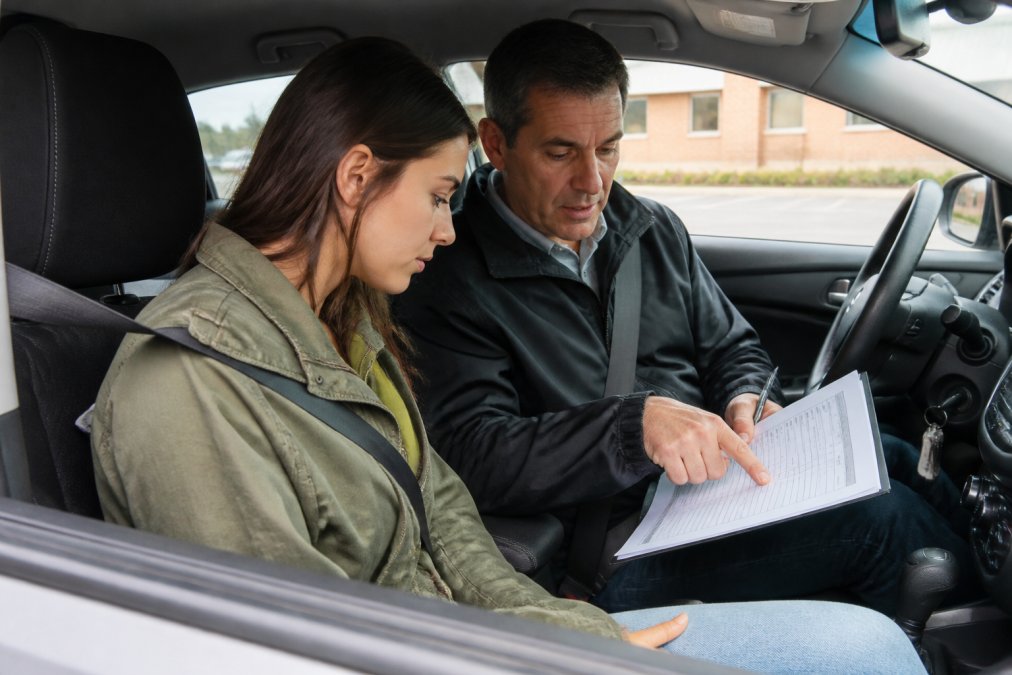
Start by verifying credentials. Look for DMV-certified instructors, which is the baseline requirement. Certification alone doesn’t guarantee quality, but it confirms the instructor has met state standards and passed background checks. Beyond certification, ask about specialized training: Has the instructor completed coursework in teaching nervous adults? Do they have experience with international students adapting to U.S. driving customs?
Listen to how an instructor describes their teaching approach. A quality instructor explains their methodology clearly. They discuss how they build confidence, handle anxiety, and customize lessons to your needs. Red flags include instructors who promise quick results, seem impatient with questions, or describe their teaching as “no-nonsense” or “tough love.” These approaches often backfire with adult learners.
Ask about their experience with your specific situation. If you’re an international driver, ask how many international students they’ve taught and what challenges they’ve addressed. If you’re anxious, ask how they help nervous drivers build confidence. Instructors who have worked extensively with your demographic understand the nuances.
Request references or reviews from recent adult students. Look for patterns in feedback: Do people mention feeling heard and respected? Do they describe improved confidence? Do they mention the instructor was flexible with scheduling? These matter more than generic praise.
Observe the instructor’s demeanor during your first lesson. Do they explain what they’re looking for before you attempt a maneuver? Do they give feedback that’s specific and actionable, not vague criticism? Do they acknowledge your progress, even small improvements? Quality instructors make you feel like a capable learner, not a problem to be fixed.
Ask about their cancellation policy and rescheduling flexibility. Instructors who understand adult life offer reasonable cancellation windows and don’t penalize you heavily for missed appointments due to work emergencies or family obligations. This flexibility signals they’re realistic about adult constraints.
Finally, trust your instinct. After the first lesson, you should feel either encouraged to continue or certain you need a different instructor. If you feel anxious or disrespected, that’s data. A good instructor-student match matters enormously for adult learners.
Getting Started: Next Steps for Adult Drivers
The path forward depends on where you are in the licensing process. If you haven’t yet obtained a learner’s permit, start there. You’ll need to pass a written test covering traffic laws and road signs. Many people study using the DMV handbook or online practice tests before attempting the permit exam.
Once you have your learner’s permit, you’re eligible to begin behind-the-wheel training. This is where driving school alternatives become your primary tool. You’ll need to complete the mandatory 5-hour pre-licensing course, which you can do online or in-person depending on what’s available. Then schedule your driving lessons.
Most adults benefit from scheduling lessons consistently, weekly or twice weekly, rather than sporadic sessions. Consistency builds muscle memory and confidence faster than irregular practice. Aim to complete your lessons and feel road-ready before scheduling your road test.
White Plains Driving Center can guide you through this entire sequence. With DMV-certified instructors and flexible scheduling, they work around your availability while ensuring you complete all required components. Their packages include the pre-licensing course and road test support, so you’re not juggling multiple providers.
As you prepare, remember that adult learning is different from teenage learning. You bring life experience and mature decision-making skills, but you may also carry anxiety or rust from years without driving. The right instructor recognizes this balance and teaches accordingly.
Getting your driving license as an adult is achievable, but it requires the right support structure. The anxiety, schedule constraints, and unfamiliar rules (especially for international drivers) are real challenges that generic driving schools often overlook. White Plains Driving Center specializes in exactly this situation: building confidence for nervous adult drivers, offering flexible scheduling around work and family, and providing comprehensive preparation for your road test. With DMV-certified instructors and customized packages that include pre-licensing courses, they eliminate the need to coordinate multiple services. Book a lesson and experience instruction designed specifically for how adults actually learn.
=== FAQ ANSWERS (audit these too, same rules) ===
[1] Q: What makes a driving school alternative a good fit for nervous adult drivers?
A: Look for instructors who specialize in adult learners and emphasize calm, patient instruction. DMV-certified instructors understand state licensing requirements and road test standards. Flexible scheduling matters because it reduces pressure. Ask about their experience with anxious drivers, many alternatives offer one-on-one instruction in a safe, controlled environment rather than group settings. Customer reviews mentioning reassurance and clear communication are strong indicators. Avoid schools with rigid policies or high-pressure sales tactics.
[2] Q: How much do adult driving lessons typically cost, and what affects the price?
A: Adult driving lesson pricing depends on lesson length, package size, location, and instructor credentials. Some alternatives charge hourly rates, while others offer packages combining multiple lessons with road test preparation. Pre-licensing courses, pick-up services, and flexible scheduling may affect total cost. Contact local driving schools directly for current pricing and package options, as rates vary by provider and can change seasonally. Some schools offer discounts for multi-lesson packages or payment plans.
[3] Q: What should I look for in a driving school road test preparation program?
A: Effective road test preparation includes instruction on DMV-specific maneuvers, traffic law knowledge, and examiner expectations. The best alternatives offer dedicated road test coaching, not just general driving lessons. Ask whether the school provides practice routes that match your actual test location, feedback on common mistakes, and support scheduling your test appointment. DMV-certified instructors understand what examiners look for. Some schools include road test support in packages; verify this before enrolling. Reviews mentioning successful first-attempt passes are a strong signal.
[4] Q: Is private instruction or group driving courses better for adult learners?
A: Private instruction works better for most adults because it allows personalized pacing, flexible scheduling, and one-on-one feedback without the pressure of a group setting. Adults often have work and family commitments, making flexible scheduling essential. Group pre-licensing courses fulfill the state’s 5-hour requirement but don’t replace behind-the-wheel practice. Many adults benefit from combining both: group pre-licensing for theory and licensing requirements, then private lessons for hands-on road skills and confidence building. Your choice depends on your schedule, anxiety level, and learning style.
Frequently Asked Questions
What makes a driving school alternative a good fit for nervous adult drivers?
Look for instructors who specialize in adult learners and emphasize calm, patient instruction. DMV-certified instructors understand state licensing requirements and road test standards. Flexible scheduling matters because it reduces pressure. Ask about their experience with anxious drivers, many alternatives offer one-on-one instruction in a safe, controlled environment rather than group settings. Customer reviews mentioning reassurance and clear communication are strong indicators. Avoid schools with rigid policies or high-pressure sales tactics.
How much do adult driving lessons typically cost, and what affects the price?
Adult driving lesson pricing depends on lesson length, package size, location, and instructor credentials. Some alternatives charge hourly rates, while others offer packages combining multiple lessons with road test preparation. Pre-licensing courses, pick-up services, and flexible scheduling may affect total cost. Contact local driving schools directly for current pricing and package options, as rates vary by provider and can change seasonally. Some schools offer discounts for multi-lesson packages or payment plans.
What should I look for in a driving school road test preparation program?
Effective road test preparation includes instruction on DMV-specific maneuvers, traffic law knowledge, and examiner expectations. The best alternatives offer dedicated road test coaching, not just general driving lessons. Ask whether the school provides practice routes that match your actual test location, feedback on common mistakes, and support scheduling your test appointment. DMV-certified instructors understand what examiners look for. Some schools include road test support in packages; verify this before enrolling. Reviews mentioning successful first-attempt passes are a strong signal.
Is private instruction or group driving courses better for adult learners?
Private instruction works better for most adults because it allows personalized pacing, flexible scheduling, and one-on-one feedback without the pressure of a group setting. Adults often have work and family commitments, making flexible scheduling essential. Group pre-licensing courses fulfill the state’s 5-hour requirement but don’t replace behind-the-wheel practice. Many adults benefit from combining both: group pre-licensing for theory and licensing requirements, then private lessons for hands-on road skills and confidence building. Your choice depends on your schedule, anxiety level, and learning style.
This article was written using GrandRanker