Table of Contents
- What Makes a Driving School With Experienced Instructors Stand Out
- DMV-Certified Driving Instructors: What the Credential Actually Means
- Behind-the-Wheel Training Cost: What You Should Expect to Pay
- Driving Lessons for Nervous Drivers: How Experienced Instructors Build Confidence
- How to Choose a Driving School: 5 Key Factors Beyond Certification
- What to Expect During Your First Lesson With an Experienced Instructor
- Advanced Training Beyond the Road Test
- Conclusion
Last Updated: August 19, 2026
What Makes a Driving School With Experienced Instructors Stand Out
The difference between a mediocre instructor and a truly experienced one shows up the moment you pull away from the curb. Experienced instructors have seen hundreds of drivers make the same mistakes, understand what causes anxiety behind the wheel, and know exactly how to correct bad habits before they become dangerous patterns.
White Plains Driving Center has been training drivers since 1978, which means their instructors have logged tens of thousands of hours working with everyone from nervous teenagers to adults returning to driving after decades away. An experienced instructor reads the road differently, anticipates hazards before they materialize, and understands that teaching someone to pass a road test is different from teaching someone to drive safely for life. The real value shows in how they respond when something goes wrong, staying calm, breaking down what happened, and guiding you through the correction without eroding your confidence.
DMV-Certified Driving Instructors: What the Credential Actually Means
A DMV-certified instructor has passed a written exam on traffic laws and teaching methodology, completed required training hours, and passed a background check. That’s the baseline, necessary but not sufficient. The certification tells you an instructor meets minimum standards set by the Department of Motor Vehicles, but not whether they’re patient with nervous drivers or have successfully taught hundreds of students.
What Most Schools Won’t Tell You: Instructor Vetting Beyond Certification
A certification is a credential. A vetting process is what separates a good school from a mediocre one. When evaluating a driving school, ask these specific questions:
Background and Hiring Standards
Does the school conduct background checks beyond what the DMV requires? Do they verify driving records to ensure instructors have clean histories themselves? A school serious about quality will have a documented hiring process.
Observation and Evaluation
Do new instructors teach solo immediately, or does the school observe their lessons before clearing them to work independently? The best schools have senior instructors or management sit in on new instructor lessons to ensure teaching quality matches standards. Ask whether the school conducts regular performance reviews or gathers student feedback.
Pedagogical Training Beyond Certification
Certification covers traffic laws and basic teaching methodology, but not how to teach anxious drivers, recognize learning disabilities, or adjust teaching style for different personality types. Schools that invest in their instructors offer internal training on anxiety and confidence-building techniques, teaching adults vs. teenagers, recognizing learning differences, communication and conflict de-escalation, and modern vehicle safety technology.
Specialization and Matching
Does the school match students with instructors who have relevant experience, or assign whoever is available? Ask whether you can request an instructor with specific expertise.
Continuous Improvement
Does the school require ongoing training for instructors, or is certification a one-time credential? The best schools mandate annual or semi-annual training on new traffic laws, teaching techniques, and vehicle technology. Ask about the school’s training calendar and how they use student reviews to improve instruction.
The Certification Is Your Legal Protection
The DMV certification is also your legal protection. It means the instructor is insured, bonded, and accountable to state regulators. If something goes wrong, there’s a paper trail and a regulatory body to contact. Unlicensed "instructors" might be cheaper, but you’re taking on legal and safety risk that no discount justifies.
Behind-the-Wheel Training Cost: What You Should Expect to Pay
Behind-the-wheel training costs vary depending on lesson length, package size, and bundled services. White Plains Driving Center offers flexible packages tailored to your schedule and goals; contact them directly for a quote based on your individual needs.
When comparing costs across schools, look at what’s included: Does the package include the 5-hour pre-licensing course? Is road test preparation built in, or is that extra? Do they charge for pick-up and drop-off? Some schools quote low per-lesson rates but charge separately for everything else. The cheapest option isn’t always the best value. A school that charges slightly more but has higher road test pass rates or specialized instruction for nervous drivers might save you money in the long run.
Driving Lessons for Nervous Drivers: How Experienced Instructors Build Confidence
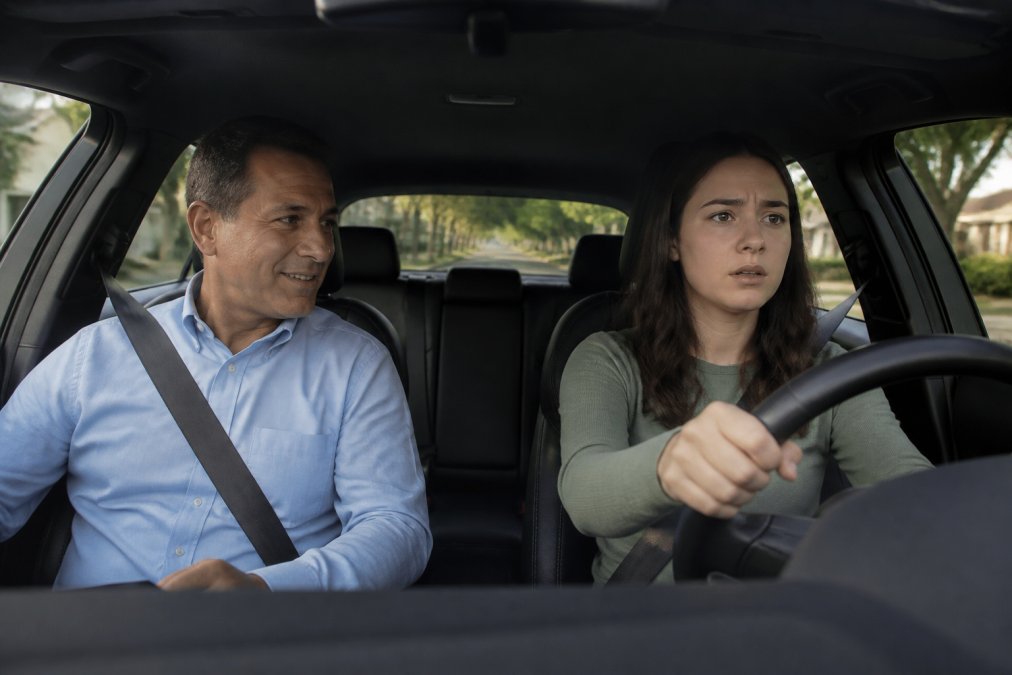
Anxiety behind the wheel is real, and experienced instructors who specialize in teaching nervous drivers know that confidence builds gradually. They start in quiet neighborhoods, explain what they’re looking for before asking you to do it, and celebrate small wins.
Why Nervous Drivers Need a Different Teaching Approach
Driving anxiety is a physiological response: elevated heart rate, tunnel vision, difficulty processing information, and impaired decision-making. When anxious, your brain is in fight-or-flight mode, the opposite of the calm, focused state needed to learn and drive safely. An inexperienced instructor may interpret hesitation as lack of skill and push harder, increasing anxiety and making learning worse. An experienced instructor recognizes anxiety signals and adjusts their approach immediately.
Specific Techniques Experienced Instructors Use
Graduated Exposure and Predictability
Experienced instructors build confidence through graduated exposure: starting in empty parking lots, then quiet residential streets, then busier roads, then highways, only when the student is ready. Before you approach an intersection, the instructor explains: "In about 100 feet, there’s a stop sign. You’ll slow down, come to a complete stop, check for traffic, and turn left." This removes fear of the unknown.
Verbal Narration and Explanation
Instead of just saying "Turn left," an experienced instructor narrates: "See the stop sign ahead? We’re going to slow down now. Check your mirrors. Good. Now brake smoothly. You’re doing great. When you’re ready, turn left. Nice and smooth." This constant, calm narration keeps you oriented and reassured.
Breathing and Grounding Techniques
Some instructors teach breathing techniques before and during lessons. A simple technique: breathe in for a count of four, hold for four, exhale for four. This activates the parasympathetic nervous system and lowers heart rate and anxiety.
Reframing Mistakes as Learning Opportunities
When you miss a turn or brake too hard, does the instructor sigh and grab the wheel, or calmly say "Let’s try that again"? An experienced instructor reframes mistakes: "That’s okay, you’re learning. You started braking a little late. Next time, start braking earlier. You’ve got this." used car reliability.
Positive Reinforcement and Celebration of Small Wins
An experienced instructor actively points out what you did right: "You checked your mirror before changing lanes, that’s exactly what I want to see." These acknowledgments accumulate and build confidence over time.
Pacing and Permission to Go Slow
An experienced instructor understands that some students need more time in parking lots before hitting traffic. They explicitly give you permission: "We’re not in a hurry. If you need to spend another lesson in quiet neighborhoods, that’s fine."
Recognizing an Instructor Who Gets Nervous Drivers
During your first consultation, ask potential instructors: "How do you work with nervous or anxious drivers?" Listen for specifics. Do they describe techniques like graduated exposure, breathing, and positive reinforcement? Do they acknowledge that anxiety is a real challenge? An instructor who says "Don’t worry, you’ll be fine" doesn’t understand anxiety. One who says "Anxiety is common, and here’s how we’ll work through it together" has a plan.
Anxiety about driving often stems from fear of the unknown. An instructor who walks you through what to expect at every turn removes surprises and builds confidence. Ask potential instructors how they approach nervous students during your first consultation.
Post-Lesson Confidence Building
Experienced instructors build confidence between lessons. They might send a text after a lesson: "Great work today on highway merging. You’re making real progress." They might assign "homework", driving on your own in a familiar area to reinforce what you learned. This ongoing support keeps momentum going.
How to Choose a Driving School: 5 Key Factors Beyond Certification
Instructor Vetting and Continuous Training
The best schools don’t just hire certified instructors and leave it at that. They actively manage their team’s skills. Ask how the school vets new instructors and whether they gather student feedback to improve instruction. White Plains Driving Center requires continuous training for their instructors, keeping their team current and sharp.
Road Test Pass Rates and Success Stories
Pass rates matter because they reflect real outcomes. Ask for numbers: What percentage of students pass on their first try? How many attempts does the average student need? A school confident in their results will be transparent about them.
Road test pass rates are one of the few objective measures of instructor quality. Higher pass rates mean better instruction, better preparation, or both. Ask for numbers before committing.
Flexible Scheduling and Responsiveness
The best schools offer evening, weekend, and flexible scheduling options. Beyond scheduling, responsiveness matters. Can you book a lesson online, or do you have to call and wait on hold? Do they text confirmations? A school that makes logistics easy removes friction from the learning process.
What to Expect During Your First Lesson With an Experienced Instructor
Your first lesson sets the tone for everything that follows. A good instructor uses it to assess your current skill level, understand your goals, and build rapport. You shouldn’t be thrown into heavy traffic or complex maneuvers.

Expect your instructor to start with basics: how to adjust the seat and mirrors, where the controls are, how the car responds. They’ll ask about your driving history, anxieties, and goals. Most first lessons happen in quiet, low-traffic areas. Your instructor will give clear, calm directions and explain why they’re asking you to do something before you do it. A nervous driver’s first lesson should feel safe, not scary. If your instructor seems impatient or dismissive of your concerns, that’s a sign they’re not the right fit.
Advanced Training Beyond the Road Test
Getting your license is a milestone, not the finish line. Advanced training covers highway driving, night driving, driving in bad weather, and defensive techniques. Road test skills and real-world driving skills are different. A test-taker can parallel park perfectly but freeze on a highway merge. Advanced training fills those gaps.
Some schools offer post-license training as an add-on service. If you’re an anxious driver, consider whether you want to continue with an instructor after you’re licensed. White Plains Driving Center offers comprehensive packages that include road test support, and many students continue with advanced training afterward. Ask about post-license options when evaluating schools.
Choosing a driving school with experienced instructors means looking beyond certifications to instructor quality, track record, and teaching approach. White Plains Driving Center has been training drivers since 1978 with DMV-certified instructors who specialize in building confidence for nervous, adult, and international drivers. They offer flexible scheduling, comprehensive road test preparation, and a proven track record of success. Get started with White Plains Driving Center and take the first step toward confident, safe driving.
Frequently Asked Questions
What qualifications should a professional driving instructor have?
A professional driving instructor should hold a valid DMV-certified credential, which requires passing written exams and demonstrating teaching competency. Beyond certification, look for instructors with continuous training records, years of classroom and behind-the-wheel experience, and a track record of high road test pass rates. Many quality schools employ instructors with backgrounds in defensive driving or traffic safety. Ask about their vetting process and how often they update their skills.
How much does it cost to get a private driving instructor?
Behind-the-wheel training cost varies by region and school structure. Pricing depends on lesson length (1-hour vs. 2-hour sessions), package size, and whether you bundle pre-licensing courses or road test services. Rather than guessing at rates, contact schools directly for current pricing and package options. Many schools offer discounts for multi-lesson packages or combined services like pre-licensing plus road test support.
How do I know if a driving school instructor is experienced?
Check how long the school has been in business and ask about individual instructor tenure. Request information about their road test pass rates, customer testimonials, and whether instructors undergo continuous training. Experienced instructors often have backgrounds in traffic safety, law enforcement, or defensive driving. During your first lesson, observe whether the instructor gives clear, calm instructions and tailors feedback to your skill level, signs of genuine experience and teaching ability.
Are private driving lessons worth the investment for adults?
Yes, especially for adults returning to driving after a long break or those with anxiety about driving. A professional instructor with experience teaching nervous drivers can build your confidence faster than informal instruction. You benefit from structured classroom preparation (like the 5-hour pre-licensing course), personalized behind-the-wheel feedback, and targeted road test coaching. The investment typically pays off in higher pass rates and safer driving habits long-term.
This article was written using GrandRanker