Table of Contents
- Why Instructor Patience Matters More Than You Think
- How to Search for Local Driving Instructors
- Questions to Ask Driving Schools Before Booking
- Checking Instructor Credentials and Certifications
- Driving Lessons for Anxious Drivers: What to Expect
- Understanding Average Cost of Driving Lessons and Packages
- The Role of Teaching Style and Personality Fit
- Evaluating Reviews and Student Testimonials
Last Updated: August 15, 2026
Why Instructor Patience Matters More Than You Think
A nervous driver paired with an impatient instructor experiences increased anxiety, poor skill retention, and higher likelihood of failing the road test. The relationship between instructor temperament and student outcomes is direct and measurable.
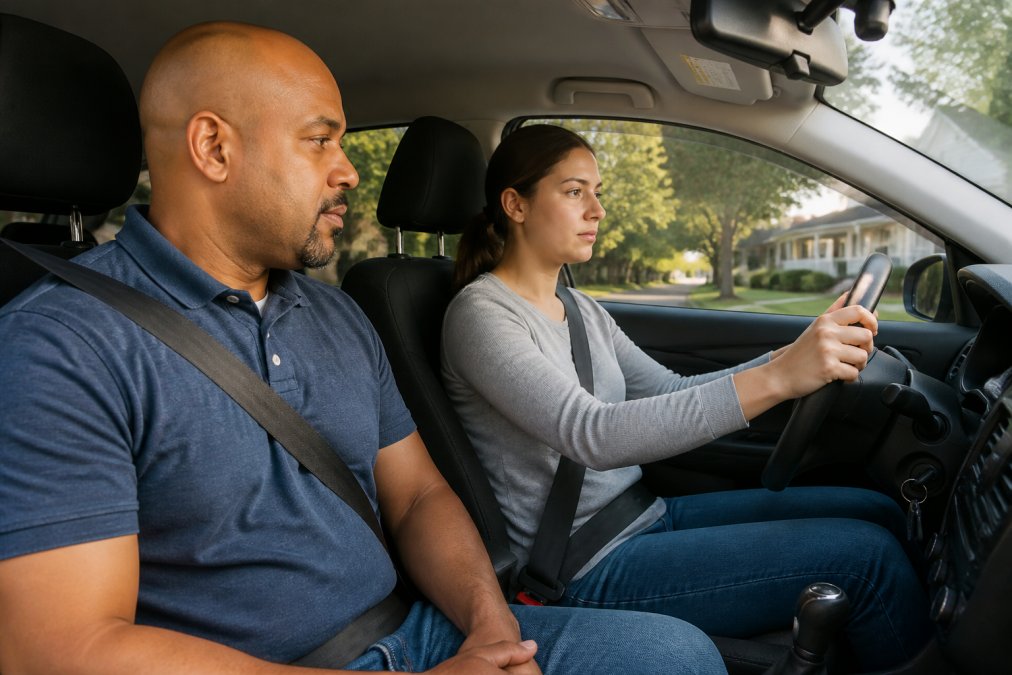
At White Plains Driving Center, we understand that patience is the foundation of effective driving instruction. When an instructor remains calm and encouraging, students absorb information more effectively, build genuine confidence, and develop the muscle memory needed to pass their test and drive safely. A bad experience with an impatient instructor can reinforce anxiety and create negative associations with driving itself. Patient instructors create an environment where students feel safe to make mistakes, learn from them, and progress at their own pace.
How to Search for Local Driving Instructors
Start with geographic specificity. Focus on driving schools and independent instructors within a 10-15 minute radius of your home or workplace. Proximity reduces travel time and allows you to build a consistent relationship with your instructor.
Use these search channels in order of effectiveness:
-
Google Maps and local search. Search "driving instructors near me" or "driving schools in [your area]." Pay attention to schools that have been operating for years; longevity often signals stability and quality.
-
Online review platforms. Check Google Reviews, Yelp, and specialized driving school review sites. Look for patterns in feedback. If multiple reviews mention patience, calmness, or instructor temperament, that’s a strong signal.
-
Referrals from friends and family. Ask people you know who’ve recently taken driving lessons which instructors they’d recommend, specifically about patience and teaching style.
-
State-approved driving school directories. Many states maintain lists of certified driving schools and instructors, ensuring they meet state requirements and instructors hold valid credentials.
-
Social media and community groups. Local Facebook groups, Nextdoor, and community forums often have discussions about local driving schools. Read through these conversations to identify schools with positive mentions.
When you’ve narrowed down to 3-5 options, move to asking the right questions before you commit.
Questions to Ask Driving Schools Before Booking
The questions you ask reveal whether a school prioritizes patient instruction and whether they’ll be a good fit for your specific needs. A 10-minute phone call can save you from a frustrating experience.
Ask these core questions:
"How do you match students with instructors?" A good driving school asks about your comfort level, anxiety triggers, and learning style, then matches you with an instructor who specializes in working with nervous drivers. If they say "we’ll just assign someone," that’s a red flag.
"Can I request a trial lesson with a specific instructor?" A trial lesson lets you experience the instructor’s teaching style, patience level, and communication approach before committing. Schools that refuse trial lessons or don’t allow instructor requests signal inflexibility.
"What’s your approach to teaching anxious or nervous drivers?" Patient instructors have specific techniques: they start in quiet neighborhoods, break skills into smaller steps, and provide frequent positive feedback.
"Are your instructors DMV-certified?" State certification ensures your instructor has passed background checks, met training requirements, and understands state driving laws and testing standards.
"What happens if I don’t feel comfortable with my instructor?" A reputable school will allow you to switch instructors without penalty.
"How flexible is your scheduling?" Ask about evening, weekend, and weekday availability. Rigid scheduling is a deal-breaker for working professionals or students.
Red Flags That Signal Impatience
Listen for these warning signs during your conversation:
-
They rush you through the booking process. A patient-focused school takes time to understand your needs.
-
They dismiss your anxiety or nervousness without acknowledging your specific concerns.
-
They can’t or won’t match you with a specific instructor based on availability alone.
-
They have no trial lesson option. Schools confident in their instructors’ patience offer trial lessons.
-
Negative reviews specifically mention yelling, criticism, or frustration. Multiple mentions of an instructor raising their voice signal a pattern.
-
They pressure you into large upfront payments. Reputable schools offer payment flexibility.

Checking Instructor Credentials and Certifications
Credentials verify that an instructor has met state requirements and possesses the knowledge needed to teach driving safely and legally.
Here’s what to check:
DMV certification. Every instructor should hold a valid DMV-issued instructor license or certificate. You can often verify this through your state’s Department of Motor Vehicles website.
Background check clearance. Instructors should have passed a background check as part of their certification.
State-approved training completion. Many states require instructors to complete specific training programs on teaching methods, vehicle safety, and state driving laws.
Insurance and liability coverage. Legitimate driving schools carry liability insurance, protecting both you and the instructor if there’s an accident during a lesson.
Years of experience. Instructors with 5+ years of experience typically have refined their teaching methods and patience strategies. Longevity signals that the instructor retains students and builds a reputation.
For international students and others relocating to the area, White Plains Driving Center’s DMV-certified instructors bring years of experience working with drivers adapting to U.S. driving standards.
Driving Lessons for Anxious Drivers: What to Expect
A patient instructor starts slow. Your first lesson typically takes place in a quiet, low-traffic area: residential streets, empty parking lots, or light traffic roads. Building confidence in a controlled environment before moving to busier roads is how nervous drivers develop genuine skill and self-assurance.
Expect frequent feedback and encouragement. Patient instructors provide real-time guidance and acknowledge what you’re doing right, not just what needs improvement. A patient instructor breaks skills into manageable chunks instead of overwhelming you with complex tasks all at once.
You’ll experience a calm, non-judgmental environment. Patient instructors don’t sigh, roll their eyes, or make sarcastic comments. Their tone remains steady and encouraging even when you need multiple attempts to master a skill. Most importantly, a patient instructor listens and adjusts if you’re uncomfortable.
Understanding Average Cost of Driving Lessons and Packages
Pricing for driving lessons varies based on location, instructor experience, lesson length, and package structure. Most driving schools offer pricing in one of these structures:
Hourly rates. Some instructors charge per hour of instruction, providing flexibility but potentially becoming expensive if you need many lessons.
Lesson packages. Schools often sell packages of 5, 10, or 20 lessons at a discounted rate compared to hourly pricing.
All-inclusive programs. These combine behind-the-wheel lessons, classroom instruction, and road test preparation into one bundled price, often providing the best value.
Specialized packages. Some schools offer premium packages for nervous drivers, international students, or road test preparation with extra support tailored to your needs.
When comparing costs, ask about what’s included. Does the price cover the instructor’s time only, or does it include the vehicle? Are pre-licensing classroom hours included? Is road test preparation built in? For current pricing information and to understand what packages align with your needs and budget, contact White Plains Driving Center directly. They offer flexible scheduling and comprehensive packages designed for nervous drivers, adults learning for the first time, and international students.
The Role of Teaching Style and Personality Fit
Instructor personality and teaching style are as important as credentials. Two certified, experienced instructors can create vastly different outcomes based on their approach.
Consider these teaching style dimensions:
Structured vs. adaptive. Structured instructors follow a rigid curriculum. Adaptive instructors adjust based on your progress and needs. For anxious drivers, adaptive teaching typically works better.
Verbal vs. hands-on. Some instructors explain concepts extensively before you try them. Others demonstrate, then let you try. Your preference matters.
Encouraging vs. direct. Encouraging instructors emphasize what you’re doing well. Direct instructors focus on errors. For nervous drivers, encouraging instructors typically reduce anxiety and improve retention.
Quiet vs. conversational. Some instructors are quiet, letting you focus on driving. Others chat and build rapport. Know your preference.
Flexible vs. by-the-book. Flexible instructors adapt routes based on your comfort level. For anxious drivers, flexibility is usually better.
The best way to assess teaching style fit is through a trial lesson. Pay attention to how the instructor communicates and responds when you make mistakes. That feeling is data; trust it.
Evaluating Reviews and Student Testimonials
Reviews reveal patterns about instructor patience, teaching effectiveness, and overall experience. Look for reviews that mention specific behaviors and outcomes, not just star ratings.
Pay special attention to reviews from students similar to you. If you’re an anxious driver, find reviews from other anxious drivers. If you’re international, seek out reviews from international students. Watch for patterns in negative reviews; multiple complaints about the same issue signal a real problem.
Look for reviews that mention the specific instructor by name. Testimonials from real students carry weight. When a student says "I was terrified of driving, and this instructor made me feel safe and confident," that’s powerful information.
One real testimonial from a satisfied student at White Plains Driving Center captures this: "Can’t say enough positive things about Joey. He gave extremely clear instructions, was calm, cool, and collected throughout the process. A pleasant experience and we passed on the first test!" This review specifically mentions the instructor’s calmness, clear communication, and a concrete outcome: a first-test pass.
Finding a patient driving instructor requires research, but it’s worth the effort. The right instructor transforms driving from a source of anxiety into a skill you can master. Start with local search, ask detailed questions about teaching approach and instructor matching, verify credentials, and read reviews strategically. When you find an instructor who listens, remains calm, and adapts to your pace, you’ve found someone who will help you build genuine confidence and drive safely for years to come.
Frequently Asked Questions
What should I look for when choosing a patient driving instructor?
Look for instructors with state-approved credentials, positive reviews specifically mentioning calm teaching styles, and willingness to offer trial lessons. Ask about their experience with nervous drivers and how they handle mistakes. Patient instructors explain errors without frustration, adjust pace to your comfort level, and use encouraging language. Request references from recent students if possible, and trust your gut during initial contact, an instructor's tone and responsiveness reveal their temperament before you even sit in the vehicle.
How much do driving lessons typically cost, and what affects pricing?
Pricing for driving lessons varies based on location, instructor experience, package length, and whether lessons include road test preparation. Single lessons generally cost less per hour than multi-lesson packages, which often offer discounts. Some instructors charge more for specialized services like anxiety coaching or international student preparation. Contact your local driving school directly for current rates and package options, as pricing depends on your specific needs and their service offerings.
What questions should I ask a driving school to identify patient instructors?
Ask: 'How do you work with nervous or anxious drivers?' 'What is your teaching philosophy when a student makes a mistake?' 'Can I request a specific instructor?' 'Do you offer trial lessons?' 'What is your student pass rate on road tests?' 'How do you customize lessons to my learning pace?' Schools that take time to answer these thoroughly and mention individualized instruction, patience, and feedback loops are more likely to match you with a patient instructor.
How do I know if a driving instructor is right for me before committing to multiple lessons?
Take a trial lesson or attend an initial consultation. Pay attention to whether the instructor listens to your concerns, explains things clearly, and remains calm when you struggle. Ask about their experience with your specific situation (anxiety, international background, returning driver). Check their credentials and read recent reviews. A good fit feels supportive, not judgmental. If you feel pressured, criticized, or rushed during a trial, that instructor is not the right match, trust your instincts and keep looking.
This article was written using GrandRanker