Table of Contents
- Who Benefits From Refresher Driving Lessons
- How Many Driving Lessons Do Adults Need
- Driving Lessons After a Long Break: What to Expect
- Driving Lessons for Nervous Drivers
- Course Formats and What’s Included
- Understanding Driving Lesson Cost and Packages
- How to Book and Prepare for Your First Lesson
- Lesson Structure and Flexibility:
- Frequently Asked Questions
Last Updated: October 10, 2026
Who Benefits From Refresher Driving Lessons
Refresher driving lessons serve licensed adults who haven’t driven regularly, moved to a new region, or lack confidence despite holding a valid license.
The reality is that driving skills fade. Muscle memory deteriorates. Road rules change. What you learned five years ago may no longer reflect current traffic patterns or safety standards. According to the National Highway Traffic Safety Administration’s driver safety guidance, refresher training helps drivers of all ages maintain safe habits and adapt to evolving road conditions.
Do You Need a Refresher Lesson? A Self-Assessment
Not every licensed adult needs formal instruction. Some drivers simply need confidence; others need genuine skill rebuilding. Use this checklist to identify your actual gap:
Skill and Confidence Indicators:
- You avoid highways, night driving, or heavy traffic due to lack of confidence.
- You’ve had an accident or near-miss that shook your confidence.
- You grip the wheel tightly, sit close to the windshield, or feel your heart rate spike when merging.
- You hesitate at intersections or brake suddenly without clear reason.
Time and Habit Indicators:
- You haven’t driven regularly for more than six months.
- Your last formal instruction was more than five years ago.
- You’ve developed uncertain habits like riding the brake or avoiding lane changes.
- You’re unsure about current traffic laws or road signs in your state.
Life-Change Indicators:
- You’re returning after raising children, recovering from injury, or managing a medical condition.
- You’ve moved to a region with significantly different driving conditions.
- You’re planning a long road trip or are over 65 and concerned about age-related changes.
If you checked three or more boxes in any category, refresher lessons are likely a good investment. If you checked only one or two, a single assessment lesson with an instructor can clarify whether you need a full package or just a confidence boost.
Why Refresher Lessons Differ From Initial Driver Education
You already hold a valid license, which means you’ve passed a road test and demonstrated basic competency. Refresher lessons don’t start from zero. Instead, they focus on:
- Identifying and correcting bad habits you may have developed since passing your test.
- Rebuilding specific skills that have deteriorated (smooth braking, highway merging, parking in tight spaces).
- Addressing anxiety that may have developed after an accident, a close call, or years of avoidance.
- Updating your knowledge of rule changes, new road signs, or traffic patterns in your area.
- Preparing for a specific challenge rather than general driving competence.
This targeted approach makes refresher lessons shorter and more efficient than initial driver education.
How Many Driving Lessons Do Adults Need
The number of refresher driving lessons you need depends entirely on your situation. There’s no universal answer, and anyone claiming a fixed number is oversimplifying.
A driver returning after a two-year break might need four to six lessons. A nervous driver might benefit from eight to twelve lessons spread over months. A driver sharpening defensive skills after a minor accident might need two or three sessions.
The real measure is progress, not hours. You’ll know you’re ready to stop lessons when you can handle your regular routes without anxiety, when your instructor confirms you’re executing maneuvers smoothly, and when you feel genuinely in control on the road. Some drivers reach that point in four lessons. Others need ten. White Plains Driving Center structures packages to match your actual needs.
Driving Lessons After a Long Break: What to Expect
Taking refresher driving lessons after years away differs from initial driver education, you already know the rules and understand traffic signs.
Many adults are surprised by what muscle memory retained and what faded: hands remember wheel position, but reaction times have slowed and hesitation returns at familiar intersections.
Your first lesson focuses on how the car feels and how your body positions itself. Your instructor observes both retained good habits and new bad ones like gripping the wheel too tightly or checking mirrors infrequently.
Your instructor rebuilds confidence systematically, starting on quiet roads for smooth acceleration and braking, then progressing to busier streets and highway merging as comfort grows. This progression prevents anxiety from increasing.
Driving Lessons for Nervous Drivers
Nervous drivers face a specific challenge: anxiety interferes with learning by slowing reflexes and rigidifying decision-making, which reinforces fear.
Calm, patient instruction paired with controlled exposure overcomes driving anxiety. A good instructor trained to work with anxious drivers creates proof systematically that you can handle situations safely.
White Plains Driving Center’s instructors acknowledge your concerns and guide you through manageable challenges without pushing you beyond readiness. Practicing smooth stops in a parking lot builds neural pathways for confident real-world stopping.
Many nervous drivers report their breakthrough came when they realized their instructor trusted them, that shift from self-doubt to cautious confidence is the real work of refresher driving lessons for licensed adults.
Course Formats and What’s Included
Refresher driving lessons come in different formats, and the right choice depends on your schedule and learning style.
In-car instruction is the core offering. You sit in a dual-control vehicle with a certified instructor who can take over if needed. These lessons typically run 60 to 90 minutes, though some drivers prefer shorter 45-minute sessions to avoid fatigue. In-car lessons are where the actual driving happens, where you practice real roads and real traffic.
Classroom or online components cover rule updates and traffic law changes, taking two to four hours at your own pace. Some states require this for certain programs, though not typically for already-licensed adults.
Flexible scheduling is essential for working adults. White Plains Driving Center offers flexible scheduling.
White Plains Driving Center offers comprehensive packages that include pre-licensing classes and road test support. Some drivers add extra sessions for specific challenges like highway driving or parallel parking.
| Lesson Format | Duration | Best For | Typical Frequency |
|---|---|---|---|
| In-car instruction | 60-90 minutes | Hands-on practice | 1-2 per week |
| Shorter sessions | 45 minutes | Focused skill work | 2-3 per week |
| Online/classroom | 2-4 hours total | Rule updates | Self-paced |
| Defensive driving | Varies | Specific skills | As needed |
Understanding Driving Lesson Cost and Packages
Pricing for refresher driving lessons varies based on location, instructor experience, and package size. Rather than quoting specific figures that may not reflect current rates, we recommend contacting White Plains Driving Center directly for a detailed quote tailored to your needs.
A single in-car lesson costs more than an online module because instructor time is limited and valuable. A package of six lessons typically costs less per lesson than booking three separate sessions.
If you’re anxious about driving or haven’t driven safely in years, the cost of lessons is far less than an accident or insurance claim. Even two or three lessons can restore skills and peace of mind.
How to Book and Prepare for Your First Lesson
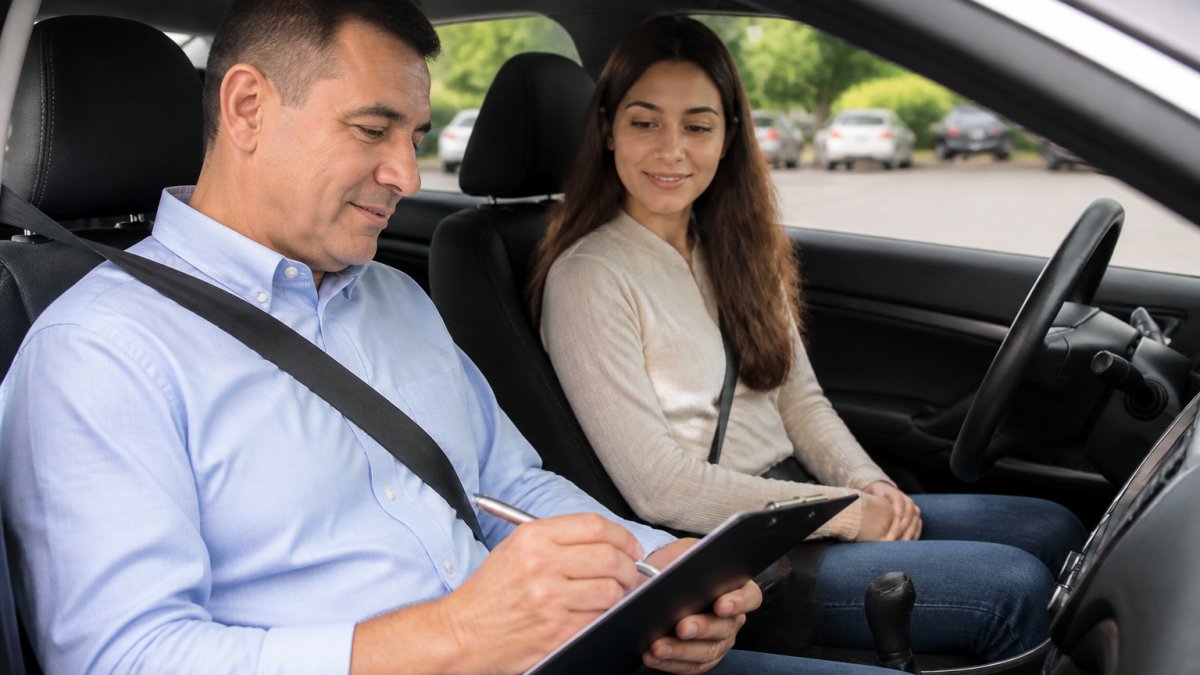
Booking your first refresher driving lesson is straightforward, but a few steps make the experience better, and help you choose an instructor who’s right for your needs.
Evaluating an Instructor or Driving School
Not all certified instructors are equally skilled at working with nervous adults or drivers returning after a long break. Before you book, ask these questions:
Instructor Credentials and Experience:
- Is the instructor certified by your state’s Department of Motor Vehicles with a commercial driver’s license and formal instructor training?
- How many years has the instructor worked with adult refresher students specifically?
- Has the instructor completed specialized training in defensive driving, anxiety management, or working with older adults?
Lesson Structure and Flexibility:
- Can you book at times that work for your schedule?
- Can you adjust lesson length for your learning style?
Communication and Approach:
- When you speak with the instructor or school, do they listen to your concerns or do they push a preset package? A responsive instructor tailors lessons to your goals rather than forcing everyone into the same mold.
- Do they explain their teaching method? For example, do they start on quiet roads and progress to busier traffic, or do they mix difficulty levels from the start? Do they use verbal cues, demonstrations, or hands-on guidance? Understanding their style helps you know what to expect.
- Can you read reviews or speak with past students? Look for patterns: Do reviewers mention feeling heard? Did they feel their anxiety was respected or dismissed? Did they see measurable improvement?
Dual-Control Vehicle and Safety:
- Does the instructor’s vehicle have dual controls (a brake pedal and steering wheel on the instructor’s side)? This is essential for safety and is standard in professional instruction.
Preparing for Your First Lesson
Once you’ve chosen an instructor, prepare strategically:
Before You Call:
Write down your specific concerns. How long has it been since you drove regularly? What situations make you nervous? Have you had any accidents or close calls? What do you want to accomplish? This isn’t a test, it’s information that helps your instructor understand your needs and set realistic expectations.
When You Contact the Instructor:
Be clear about your goals. Are you preparing for a specific trip? Do you want to rebuild general confidence? Are you nervous about highway driving specifically? Are you returning after a medical event or injury? Your instructor will ask these questions anyway, but answering them upfront helps the team schedule you with the right instructor and plan your first lesson.
Logistical Preparation:
- Get a good night’s sleep before your lesson. Driving on an empty stomach or while exhausted undermines learning.
- Wear comfortable clothes and shoes that let your feet move freely on the pedals. Avoid flip-flops, heavy boots, or restrictive clothing.
- Bring your valid driver’s license and any insurance documents for the vehicle you’ll be using.
- Arrive 10-15 minutes early so you’re not rushed. This gives you time to settle in and ask any last-minute questions.
During the First Lesson:
Your instructor will spend time adjusting the seat, mirrors, and controls to fit your body. They’ll explain how the dual-control system works and what to expect. They’re not evaluating you for a test; they’re gathering information about your habits, your confidence level, and your specific concerns. This first session is partly instruction and partly assessment.
After Each Lesson:
Ask your instructor for specific, actionable feedback. What did you do well? What needs work? What should you practice before the next lesson? The best students are active participants who think about their driving between lessons, not passive passengers waiting for the next appointment. If something felt unclear or you want to revisit a skill, say so immediately rather than waiting for the next session.
Frequently Asked Questions
How many refresher driving lessons do I actually need?
Most adults returning to driving after a break benefit from 3-6 refresher lessons, though nervous drivers or those with significant gaps may need 8-10. Your instructor will assess your skills during the first session and recommend a personalized plan. Factors like how long you’ve been away from driving, your comfort level, and specific road-test preparation needs all affect the total. Start with a consultation to determine what suits your situation.
Are refresher driving lessons worth the cost?
Yes, especially if you’re rebuilding confidence, preparing for a road test, or adjusting to U.S. driving rules after living abroad. A few professional lessons prevent costly mistakes, reduce anxiety, and often lead to faster test passage. Many adults find that structured instruction saves time compared to learning through trial and error. Compare the investment against the cost of retaking a road test or dealing with accidents caused by rusty skills.
Can I take refresher lessons if I’m nervous about driving?
Absolutely. Driving lessons for nervous drivers are specifically designed to build confidence at your own pace. Instructors trained in working with anxious drivers use calm, clear instruction and let you control the speed of progression. You can start in quiet neighborhoods, practice specific maneuvers that worry you, and gradually work up to busier roads. Many students report that professional, patient instruction eliminates the fear that made them hesitant in the first place.
What’s the typical cost of refresher driving lessons?
Pricing depends on your specific needs, the number of lessons you book, and any add-on services. Contact White Plains Driving Center directly for current pricing and package options. White Plains Driving Center offers flexible scheduling to fit your budget and availability.