Table of Contents
- What to Expect From Private Driving Lessons With Pick Up
- Behind-the-Wheel Training for Adults: How It Works
- How Many Driving Lessons Do I Need to Pass My Road Test
- Understanding the Cost of Private Driving Lessons
- How to Book Your First Lesson With Pick-Up Service
- What Makes a Good Driving Instructor
- Common Mistakes to Avoid During Driving Lessons
- Conclusion
- Frequently Asked Questions
Last Updated: August 27, 2026
What to Expect From Private Driving Lessons With Pick Up
Private driving lessons with pick up eliminate a common barrier that keeps nervous drivers from taking the first step: you don’t have to navigate to a lesson location. Your DMV-certified instructor arrives at your home, workplace, or another convenient spot and begins instruction immediately.
The structure is straightforward: schedule a time, confirm your pickup location, and your instructor handles the rest. The lesson focuses on the specific skills you need, whether that’s parallel parking, highway driving, or preparing for your road test. White Plains Driving Center has offered this flexibility since 1978, recognizing that adults juggling work, family, and other commitments need instruction that fits their lives (bbb.org).
What makes private lessons different from group classes is the personalized attention. Your instructor focuses entirely on your progress, anxiety level, and learning pace. For adults returning to driving after years away, or international drivers adapting to U.S. traffic patterns, this focused approach addresses specific gaps rather than following a one-size-fits-all curriculum.
Many nervous drivers delay getting lessons because they’re anxious about the drive to the lesson location itself. Pick-up service removes that barrier entirely, your instructor meets you where you are, literally and figuratively.
Behind-the-Wheel Training for Adults: How It Works
Behind-the-wheel training for adults differs significantly from younger students’ experience. Adult learners often bring real-world driving experience from other contexts, maybe you’ve driven in different countries or learned on manual transmissions. Your instructor translates that experience into U.S. road rules and DMV expectations.
A typical session starts with a brief conversation about your focus for that day. Are you preparing for your road test? Do you need help with highway merging? Is parallel parking your biggest concern? Your instructor then guides you through real driving scenarios, not just repetitive drills, but actual traffic situations you’ll encounter on your test.
The dual-control vehicle is a crucial safety feature. Your instructor has access to brake and accelerator controls, allowing intervention if a dangerous situation develops (nhtsa.gov). This creates a safe learning environment where you can build confidence without putting yourself or others at risk.
Behind-the-wheel training focuses on defensive driving techniques, which the DMV emphasizes heavily on road tests (dmv.ny.gov). This means anticipating hazards before they become problems, maintaining proper following distance, and making smooth, deliberate movements. Your instructor will point out what examiners look for: mirror checks, shoulder glances, proper hand positioning, and smooth acceleration and braking.
The goal of behind-the-wheel training isn’t perfection, it’s building the muscle memory and decision-making habits that keep you safe long after your test.
How Many Driving Lessons Do I Need to Pass My Road Test
The number of lessons you need depends entirely on your starting point. Someone who learned to drive decades ago but hasn’t been behind the wheel in years faces a different challenge than an international driver learning U.S. traffic rules for the first time.
Most adults benefit from instruction before their road test, though some need fewer and others need more. The first few lessons typically reveal which skills need the most work. If you’re already comfortable with basic vehicle control but nervous about the test itself, you might need hours focused on test-specific scenarios. If you’re learning to drive for the first time, expect to invest more time building foundational skills.
Frequency matters as much as total hours. Spacing lessons out allows for consolidation of driving skills.
The road test evaluates specific competencies: smooth starts and stops, proper lane positioning, appropriate speed management, mirror and blind-spot checks, and response to unexpected situations. Your instructor will practice these exact scenarios repeatedly until they become automatic. This targeted practice is why private lessons with pick up work so effectively, your instructor can replicate the specific maneuvers your local DMV examiner will test.
International drivers often need additional lessons to adjust to U.S. traffic patterns. If you learned to drive on the left side of the road or in a country with different traffic rules, expect to invest extra time.
Understanding the Cost of Private Driving Lessons
Pricing for private driving lessons varies based on lesson duration, geographic location, specialized instruction needs, and road test preparation. Contact White Plains Driving Center directly for current pricing and package options tailored to your situation.
What matters more than the hourly rate is what you’re getting for that investment. A lesson focused on your specific weak spots delivers more value than unfocused general driving. Your instructor’s experience matters too, a DMV-certified instructor who understands exactly what your local examiner is looking for can compress what you need to learn into fewer total hours.
Many driving schools offer package deals that reduce the per-lesson cost if you commit to multiple sessions upfront. Others offer flexible pricing for single lessons. Some specialize in intensive crash courses if you’re preparing for an imminent road test.
Be cautious of extremely low prices. A lesson that costs significantly less than the market rate often reflects lower instructor quality, older vehicles, or less comprehensive instruction. Your road test pass rate matters more than saving a few dollars per lesson.
How to Book Your First Lesson With Pick-Up Service
Booking your first private driving lesson with pick up involves three straightforward steps designed to be simple so that scheduling anxiety doesn’t become another barrier.
Step 1: Choose Your Lesson Package and Schedule
Start by deciding what you need. Are you a complete beginner preparing for your first road test? A nervous driver who needs confidence building? An international driver adjusting to U.S. traffic? Your answer shapes which package makes sense.
Next, identify your availability. Private lessons with pick up offer flexibility because adult schedules are unpredictable. Whether you need early morning lessons before work, evening sessions after your job, or weekend instruction, quality driving schools accommodate these needs. Have your calendar ready when you contact White Plains Driving Center so you can lock in times that actually work for you.
Consider whether you want recurring weekly lessons or a more intensive schedule. Weekly lessons build steady progress and allow your brain to consolidate skills between sessions. Intensive schedules work better if you’re preparing for an imminent road test or need to get licensed quickly for work.
Step 2: Confirm Your Pick-Up Location and Time
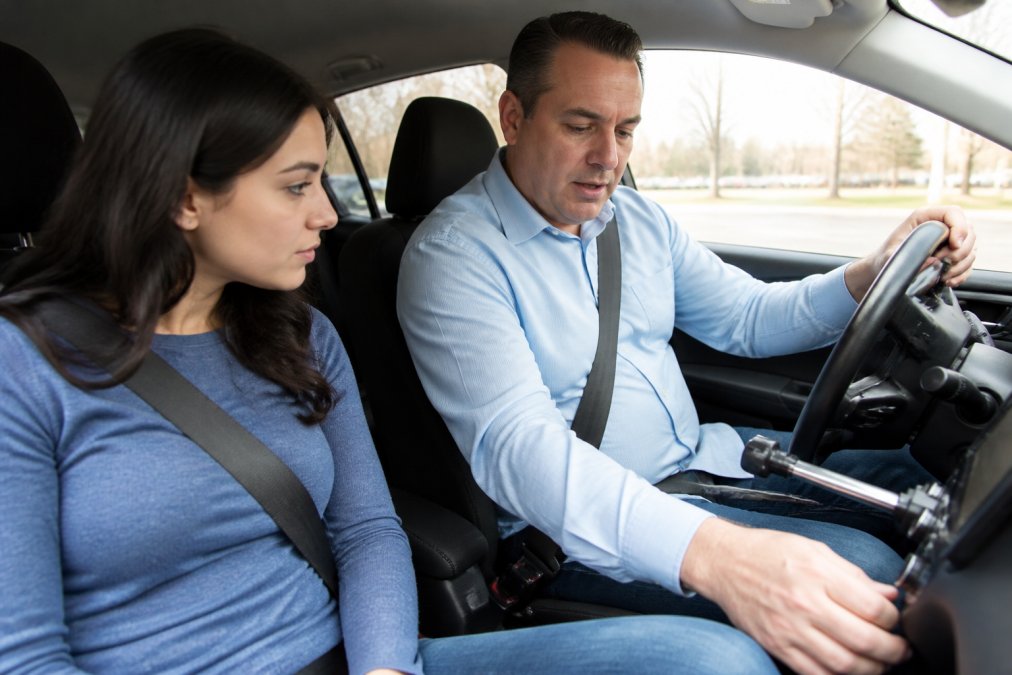
When you book, specify exactly where you want to be picked up. This might be your home, workplace, a parking lot, or another convenient location. Your instructor will arrive at that location at the scheduled time with the lesson vehicle ready to go.
Confirm the exact address and any parking or access details your instructor needs. If you live in an apartment complex, provide gate codes or building access information. If you’re being picked up at work, clarify which entrance your instructor should use. These details prevent confusion and ensure your lesson starts on time.
Arrive a few minutes early on your first lesson day. This gives you time to meet your instructor, adjust the seat and mirrors, and settle any last-minute questions. Many nervous drivers find that meeting their instructor beforehand reduces anxiety significantly.
Step 3: Prepare for Your First Lesson
Bring your permit or license, even if it’s expired. Your instructor needs to verify your legal right to practice driving. Wear comfortable clothing and shoes that allow you to feel the pedals clearly. Avoid flip-flops or heavy boots that might make it harder to control the brake and accelerator smoothly.
Think about what you want to accomplish in that first lesson. Do you want to focus on basic vehicle control, starting, stopping, turning? Or do you want to jump into more complex scenarios like merging or parking? Communicating your goals helps your instructor structure the lesson effectively.
What Makes a Good Driving Instructor
Not all driving instructors are equal. A good instructor combines technical skill, patience, and the ability to diagnose what’s holding you back. They understand that nervous drivers need reassurance, not criticism, and that adult learners respond better to explanation than to commands.
A DMV-certified instructor has passed specific training requirements and maintains their certification through ongoing education. This credential means they understand what the DMV actually tests and can prepare you accordingly. However, certification alone doesn’t guarantee teaching ability. Look for instructors who specialize in working with nervous drivers or adults.
The best instructors ask questions before they start teaching. What’s your biggest concern? What driving situations make you most anxious? Have you driven before, and if so, when and where? These questions reveal what you actually need.
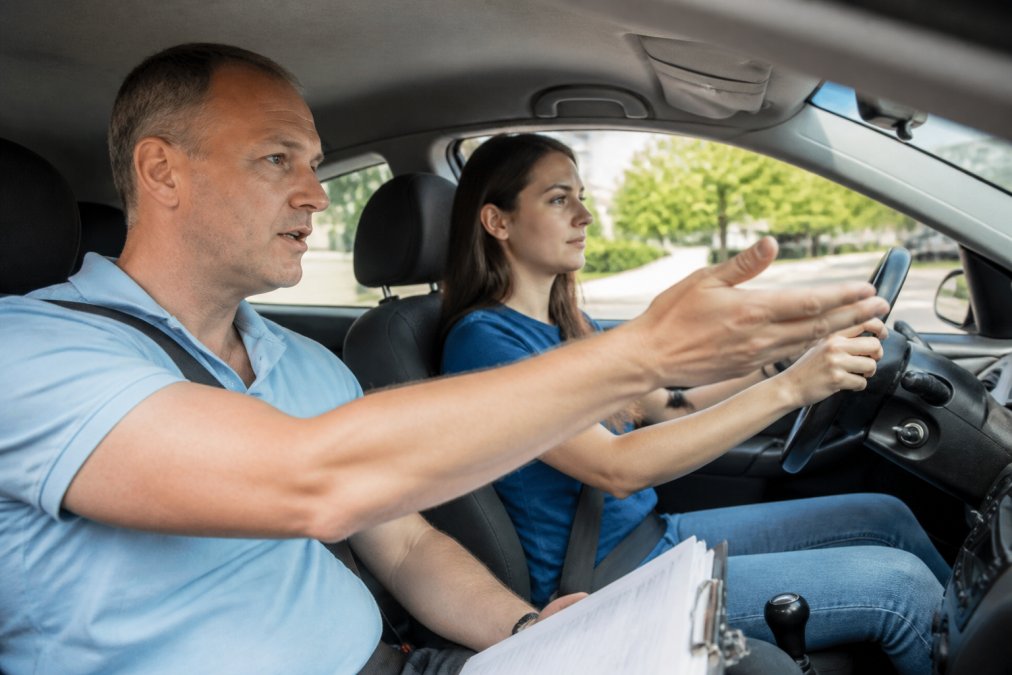
Patience is non-negotiable. If an instructor gets frustrated, speaks harshly, or makes you feel judged, that’s a dealbreaker. An instructor who creates a safe, encouraging environment helps you overcome the psychological barriers that prevent progress.
Look for instructors who explain the “why” behind their corrections. Instead of just saying “check your mirror,” a good instructor explains why checking your mirror at that specific moment prevents accidents and what examiners are looking for.
White Plains Driving Center’s instructors bring decades of combined experience working with nervous drivers, adults, and international students. That specialization means they’ve encountered your specific challenges before and know what works.
Common Mistakes to Avoid During Driving Lessons
Most nervous drivers make predictable mistakes during lessons. Understanding these pitfalls helps you avoid them.
Gripping the steering wheel too tightly is one of the most common mistakes. Tension in your hands transfers to your entire body, and tight muscles can’t respond smoothly to steering inputs. Your instructor will remind you to relax your grip.
Fixating on one spot rather than scanning ahead is another frequent problem. Nervous drivers often stare at the road directly in front of the car, missing hazards and traffic patterns that appear further ahead. Good instructors train your eyes to scan continuously, checking mirrors, looking ahead, and monitoring side streets.
Braking too hard or accelerating too aggressively stems from anxiety. Your instructor will help you develop smoother, more controlled inputs. This matters because examiners specifically watch for smooth acceleration and braking.
Not using your mirrors and blind spots is dangerous and will cost you points on your road test. Your instructor will drill this repeatedly because it’s both a safety issue and a test requirement.
Failing to plan ahead causes last-minute lane changes and abrupt turns. Good driving is about anticipation, knowing where you need to be and positioning yourself well in advance. Your instructor will work on this throughout your lessons.
Conclusion
Private driving lessons with pick up remove the logistical barriers that prevent adults from getting the instruction they need. By bringing instruction to your location and focusing entirely on your specific challenges, this approach makes learning to drive accessible even for nervous drivers with complicated schedules.
White Plains Driving Center has been helping drivers in the Westchester area build confidence and pass their road tests since 1978. Our DMV-certified instructors specialize in working with nervous drivers, adults, and international students. We offer flexible scheduling, comprehensive road test preparation, and the kind of calm, encouraging approach that helps you move from anxiety to confidence.
Book your first private driving lesson with pick up today and take the first step toward becoming a confident, safe driver. Your instructor is ready to meet you where you are and guide you to where you need to be.
Frequently Asked Questions
Q: Do driving instructors actually pick you up from home for private driving lessons with pick up?
A: Yes. Instructors offering door-to-door service will pick you up from your home or a location you specify and drop you off after your lesson. This eliminates the stress of getting to a lesson location and is especially helpful for nervous drivers or those without reliable transportation. Confirm the pick-up policy and service area radius when you book to ensure your location is covered.
Q: How many driving lessons do I need before I’m ready for my road test?
A: The number of lessons needed varies based on your prior driving experience, confidence level, and how quickly you grasp new skills. Nervous drivers or those returning to driving after a long break may need more sessions. An instructor can assess your progress during early lessons and recommend a personalized schedule to get you test-ready.
Q: What is the typical cost of private driving lessons?
A: Pricing for private driving lessons depends on lesson length, package size, your location’s service area, and whether pick-up is included. Contact White Plains Driving Center directly for current pricing and available packages. Many schools offer hourly rates or bundled lesson packages that provide better value than paying per session.
Q: Are private driving lessons worth the investment?
A: Private driving lessons are worth it if you’re anxious about driving, need flexible scheduling, require specialized instruction (such as for international driving standards), or want personalized road test preparation. One-on-one instruction builds confidence faster than group classes and is tailored to your learning pace. Many students pass their road test on the first attempt after completing a structured lesson plan.
This article was written using GrandRanker