Table of Contents
- Why a Calm Driving Instructor Matters for Anxiety
- Signs of a Patient Driving Instructor
- Questions to Ask Driving Schools for Anxiety
- Red Flags to Watch For When Choosing
- Preparing for Your First Lesson with Anxiety
- Driving Lessons for Nervous Adults: What to Expect
- Your Path to Confident Driving
- Frequently Asked Questions
Last Updated: September 8, 2026
Finding a calm driving instructor for anxiety is about more than just learning to operate a vehicle; it is about rebuilding your sense of safety and control in a supportive environment. For many nervous drivers, the fear of being judged or yelled at is a bigger barrier than the road itself. At White Plains Driving Center, we have spent decades helping adults overcome these fears, and we know that the right instructor changes everything. Below, we will show you exactly how to vet schools and instructors so you can learn at your own pace without the dread.
Why a Calm Driving Instructor Matters for Anxiety
Driving anxiety is a real and common experience that often stems from a previous accident, a long break from driving, or simply the pressure of a high-stakes test. When you are in a heightened state of fear, your brain prioritizes survival over learning, making it nearly impossible to absorb new information (peer-reviewed research). A calm driving instructor acts as an emotional anchor, using a steady tone and clear instructions to keep your nervous system regulated so you can actually focus on the road.
The right instructor understands that their demeanor directly impacts your ability to learn. They should use a calm demeanor and positive reinforcement rather than criticism, which helps prevent panic attack triggers. This approach, often described as a therapeutic approach to behind-the-wheel training, allows you to build driving confidence incrementally without the pressure of perfection.
Signs of a Patient Driving Instructor
Identifying a patient driving instructor before you book is the single most effective way to ensure a positive experience. You want someone who demonstrates specific behavioral traits from the very first phone call, not just someone who claims to be patient.
Look for these markers of a supportive environment and effective instructional techniques:
- They listen more than they talk: They ask about your specific fears and driving history before discussing schedules.
- They explain the “why”: They don’t just say “turn here”; they explain the reasoning, which aids cognitive reframing for anxious learners.
- They offer control: A good instructor asks if you prefer to sit in the parking lot first or drive immediately, respecting your learning pace.
- They have a calm voice: Their tone remains steady and low, even when you make a mistake, demonstrating stress management skills.
Ask the school if you can observe a lesson or watch a video of their instructors teaching. Watching how an instructor handles a nervous student before you commit is the most reliable way to gauge their patience and emotional support.
Questions to Ask Driving Schools for Anxiety
The questions to ask driving schools for anxiety are different from those a confident teen might ask. You are not just checking for availability; you are screening for psychological safety and specific experience with driving phobia. A simple ‘Are you patient?’ will not give you the information you need. Instead, you need a structured phone interview that reveals how the school and its instructors operate under pressure.
Use this script as your starting point. It is designed to move beyond marketing language and get to the specifics of how a school handles anxious students.
The Phone Screening Script:
-
The Experience Probe: “I have significant driving anxiety. Can you tell me about the specific training your instructors receive for working with nervous adults or individuals with panic symptoms?”
- What to listen for: A vague answer like ‘Everyone is patient’ is a red flag. A strong answer will mention specific techniques, such as ‘graduated exposure’ or ‘pacing lessons based on student comfort.’
-
The In-Car Protocol: “If I start to feel a panic attack coming on during a lesson, what is the step-by-step process you expect your instructor to follow?”
- What to listen for: The best schools will have a clear, calm protocol, such as: “The instructor will direct you to a safe place to pull over, guide you through a breathing exercise, and then ask if you want to continue or end the session. You will never be penalized for ending early.” A weak answer is, ‘We’ll just see how it goes.’
-
The Feedback Style: “How do your instructors deliver feedback? Do they use a specific framework to correct mistakes without causing discouragement?”
- What to listen for: Look for a method that separates the behavior from the person. For example, an instructor might say, “I’m going to have you brake a little earlier at this next light,” rather than “You’re braking too late.” Ask if they offer a ‘sandwich’ approach, positive, constructive, positive.
-
The First Lesson Structure: “Can you describe the exact route and goals for a first lesson with a high-anxiety student?”
- What to listen for: A concrete answer is key. A good response is, “We would start in our private lot for the first 20 minutes to adjust the seat and mirrors, then move to a quiet residential street with minimal traffic, and end with a debrief back at the office.” A vague answer like ‘We’ll take it slow’ is not enough.
-
The Vehicle Choice: “Do you have a specific vehicle for anxious students?”
- What to listen for: Some schools offer cars with dual controls and larger windshields for better visibility. Others might have a quieter car. Knowing this shows they have thought about the physical environment’s role in anxiety.
Do not be afraid to ask if you can speak directly with the instructor who would be teaching you. A 5-minute conversation with the actual person can tell you more about their tone and demeanor than a 20-minute call with a dispatcher.
After the call, write down your immediate gut reaction. Did you feel rushed? Did they answer your questions with patience, or did they sound annoyed? That feeling is data. A school that is truly set up for anxious drivers will make you feel safe and heard before you even get in the car. If a school is hesitant to answer these questions or makes you feel like a burden, cross them off your list immediately. This screening process is your first test of their suitability, and it is the most cost-effective step you can take.
Red Flags to Watch For When Choosing
Just as there are green flags, there are clear instructor red flags that should send you looking elsewhere. Trusting your gut here is essential, as ignoring these signs can worsen your fear of driving and reinforce avoidance behavior.
- They minimize your anxiety: If they say “It’s not a big deal” or “You’ll get over it,” they lack the empathy required for your situation.
- They are rigid about scheduling: A refusal to accommodate your need for shorter or more frequent lessons suggests they follow a one-size-fits-all lesson structure.
- They talk more about the test than the process: While road test prep is important, an instructor who focuses solely on the exam may neglect the confidence building you need first.
- They lack credentials: Always verify that the instructor is DMV-certified and the school has a solid reputation for safety protocols.
If an instructor raises their voice or shows frustration during your first lesson, do not give them a second chance. One negative experience can set your progress back significantly and deepen your anxiety behind the wheel.
::: managing general anxiety.
Preparing for Your First Lesson with Anxiety
Preparing for your first lesson with anxiety involves more than just showing up; it requires setting yourself up for success mentally and physically. The goal is to reduce the unknown variables that fuel your panic before you even sit in the driver’s seat. But preparation does not end when the lesson does. In fact, how you handle the hours after your lesson is often more critical than the lesson itself for preventing a setback.
Before the Lesson: The 24-Hour Preparation Plan
- The Day Before: Do not study the driver’s manual. Instead, do a ‘dry run’ of the route to the meeting point. Drive there with a friend or family member so you know exactly where to park and what the environment looks like. This eliminates the anxiety of the unknown on the day itself.
- The Morning Of: Schedule your lesson at a time when you are naturally most relaxed, avoiding rush hour and high-traffic periods. Get a good night’s sleep and eat a light meal beforehand, as low blood sugar can mimic the physical symptoms of anxiety. Most importantly, communicate your nervousness to the instructor the moment you meet them. A simple statement like, “I am feeling very anxious today,” allows them to adjust their approach immediately and establishes a supportive environment (apa.org).
- The Pre-Drive Ritual: Before the engine starts, take 2 minutes to do a ‘grounding check’. Name 5 things you can see, 4 you can touch, 3 you can hear, 2 you can smell, and 1 you can taste. This is a proven technique to interrupt the anxiety spiral and bring your focus to the present moment.
After the Lesson: The Post-Lesson Recovery Protocol
This is the part most guides miss. Your brain has just been through a stressful event, and how you process it will determine whether you build confidence or reinforce fear. Avoidance behaviors, like vowing never to drive again, are the biggest threat to your progress. Here is your post-lesson recovery plan to prevent that.
- The 10-Minute Cool-Down: Do not immediately jump into a conversation about the lesson. Sit in your car or a quiet spot for 10 minutes. Focus on your breathing, letting your heart rate return to baseline. This prevents the ‘adrenaline hangover’ that can make you feel exhausted and discouraged.
- The ‘One Win’ Journal: Write down one thing that went well, no matter how small. It could be ‘I remembered to check my blind spot’ or ‘I didn’t cry when I stalled.’ This actively rewires your brain to look for competence rather than failure.
- The Delayed Debrief: Do not rehash every mistake with your instructor immediately. Instead, wait 2-3 hours, then write down any specific questions or concerns that come up. Email them to your instructor. This gives you time to process and prevents you from being overwhelmed by a flood of feedback.
- The ‘Next Step’ Commitment: Before you leave the car, agree on the next lesson’s specific goal. It might be ‘We will practice the same right turn three times.’ Having a concrete, small goal gives your brain a clear target and reduces the fear of the unknown for the next session.
If you feel a strong urge to cancel your next lesson or avoid thinking about driving, that is a sign that you need to reduce the challenge, not abandon it. Call your instructor and ask to shorten the next session or spend it entirely in a parking lot. Taking a step back is not failure; it is a strategic retreat that prevents a full-blown avoidance response.
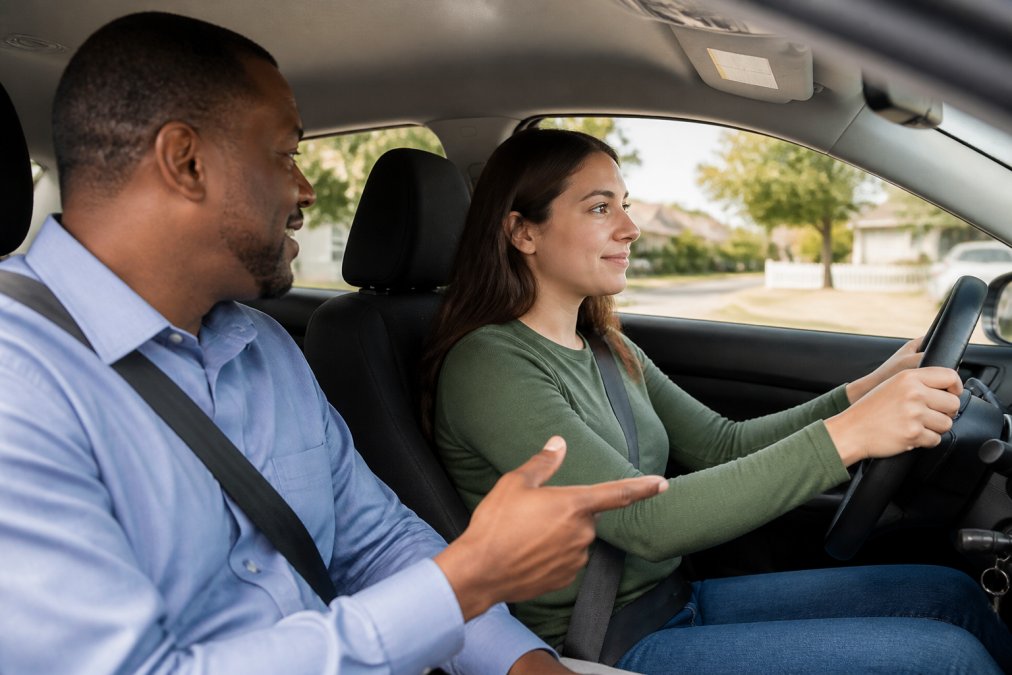
By treating the post-lesson period with the same importance as the lesson itself, you take control of your own recovery. You are not just a passive recipient of instruction; you are actively managing your nervous system’s response to a challenging new skill. This proactive approach is what separates a temporary setback from a permanent roadblock.
Driving Lessons for Nervous Adults: What to Expect
Driving lessons for nervous adults are fundamentally different from standard teen instruction because they prioritize emotional regulation alongside skill acquisition. You should expect your first session to focus heavily on the basics in a controlled, low-traffic area, allowing you to acclimate to the vehicle’s controls without the pressure of navigating complex intersections.
A typical anxiety-friendly lesson structure includes a pre-drive check-in, a slow build-up of skills, and a post-lesson debrief. Your instructor should guide you through relaxation techniques, such as deep breathing, to help with panic attack prevention before you even turn the key. This gradual approach, rooted in graduated exposure therapy techniques, helps you build tolerance to driving situations incrementally, moving from empty parking lots to quiet streets and finally to busier roads only when you are ready (PubMed).
| Lesson Focus | Typical Duration | Primary Goal |
|---|---|---|
| Vehicle Controls & Parking Lot | 30-45 minutes | Acclimate to pedals, steering, and mirrors without traffic stress |
| Quiet Neighborhood Driving | 45-60 minutes | Practice turns, stops, and basic right-of-way rules |
| Multi-Lane & Intersection Work | 60 minutes | Build competence in moderate traffic with instructor guidance |
| Highway & Road Test Prep | 60+ minutes | Simulate test routes and practice advanced maneuvers |
Your Path to Confident Driving
Overcoming driving anxiety is rarely a straight line; it is a process of small victories that gradually rewire how you view being behind the wheel. The ultimate goal is to replace the fear response with a sense of competence, allowing you to drive not just safely, but with genuine confidence. This journey requires a partnership between you and an instructor who prioritizes your emotional state as much as your technical skills.
Finding the right support is the most important step you can take. White Plains Driving Center has been guiding nervous drivers since 1978, and our DMV-certified instructors specialize in exactly this kind of patient, tailored instruction. We build confidence at your own pace with clear, calm instruction and flexible scheduling, ensuring that your road to independence is a positive one.
Frequently Asked Questions
How do I tell a driving instructor about my anxiety?
Be direct before your first lesson. Call the school and explain that you experience driving anxiety and need a calm driving instructor who uses clear, patient instruction. Ask if they have experience with nervous drivers. A supportive environment starts with that first conversation. If the school dismisses your concerns, consider it a red flag and look elsewhere.
What qualities should I look for in a driving instructor if I have anxiety?
Look for signs of a patient driving instructor: a calm demeanor, clear communication, and a willingness to let you set the learning pace. They should offer constructive feedback without raising their voice and be open to adjusting the lesson structure to your comfort level. Instructor credentials matter, but emotional support and a non-judgmental attitude are just as important for your confidence.
Are driving lessons for nervous adults different from standard lessons?
Yes, driving lessons for nervous adults often start with the basics in a low-traffic area to build confidence before tackling complex roads. The instructor focuses on stress management and gradual exposure to challenging situations. They should offer a personalized curriculum that includes a post-lesson debrief to discuss your progress and concerns, ensuring you feel prepared for your road test.
Finding the right calm driving instructor is the difference between enduring driving and enjoying it. At White Plains Driving Center, we combine the expertise of DMV-certified instructors with a teaching philosophy rooted in patience and emotional support, helping you overcome fear and pass your road test with confidence. Book Now to start your journey toward stress-free driving.